Home
Home
 About Us



WTO Deal Will End Export Subsidies
29/12/2015 12:00
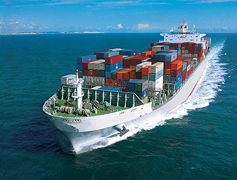
Negotiators at the World Trade Organization’s ministerial conference in Nairobi, Kenya last weekend agreed to end direct export subsidies for agricultural products, even though they failed to agree on a continuation of the 14 year-old Doha round of talks on trade development.
Under the ministerial declaration accepted on Saturday in the Kenyan capital, developed countries will immediately eliminate export-subsidy entitlements while developing nations must end direct support by the end of 2018. Talks at the trade body’s first ministerial conference on the African continent ran more than a day past a self-imposed deadline.
The declaration does give developing countries the right to to raise tariffs temporarily to deal with a surge in imports or falling prices and it will also make it easier for so-called least-developed countries to benefit from preferential market access for their goods.
“The decision you have taken today on export competition is truly extraordinary,” WTO Director General Roberto Azevedo said at the closing session of the conference. “It is the WTO’s most significant outcome on agriculture.”
U.S. Trade Representative Michael Froman said in a press release that the work done in Nairobi marked a “turning point” for the WTO and started “a new phase in the WTO’s evolution".
Froman added that the outcomes on agriculture will benefit U.S. agricultural producers. “Our work to secure a global ban on export subsidies will help level the playing field for American farmers and ranchers. The WTO’s actions in this area will put an end to some of the most trade distorting subsidies in existence and demonstrates what is possible when the multilateral trading system comes together to solve a problem,” he said.
Under the ministerial declaration accepted on Saturday in the Kenyan capital, developed countries will immediately eliminate export-subsidy entitlements while developing nations must end direct support by the end of 2018. Talks at the trade body’s first ministerial conference on the African continent ran more than a day past a self-imposed deadline.
The declaration does give developing countries the right to to raise tariffs temporarily to deal with a surge in imports or falling prices and it will also make it easier for so-called least-developed countries to benefit from preferential market access for their goods.
“The decision you have taken today on export competition is truly extraordinary,” WTO Director General Roberto Azevedo said at the closing session of the conference. “It is the WTO’s most significant outcome on agriculture.”
U.S. Trade Representative Michael Froman said in a press release that the work done in Nairobi marked a “turning point” for the WTO and started “a new phase in the WTO’s evolution".
Froman added that the outcomes on agriculture will benefit U.S. agricultural producers. “Our work to secure a global ban on export subsidies will help level the playing field for American farmers and ranchers. The WTO’s actions in this area will put an end to some of the most trade distorting subsidies in existence and demonstrates what is possible when the multilateral trading system comes together to solve a problem,” he said.
Source: brockreport.com
Các tin khác
- New-generation FTAs open wider export opportunities to Middle East and South Asia (15/06/2026)
- Updated regulations on foreign trade management and import quotas (15/06/2026)
- Mandatory traceability for high-risk goods from July 1st: What should businesses prepare for? (15/06/2026)
- Tariff pressure is forcing businesses to restructure in order to adapt. (15/06/2026)
- Coffee Citizens model aims to lift Vietnamese value chain (15/06/2026)