Home
Home
 About Us


Viet Nam's import and export prospects for 2026 remain positive
08/06/2026 09:09
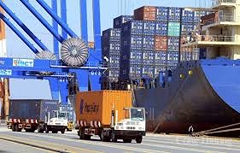
Statistics on the economic situation in the first five months of 2026 reveal a noteworthy figure: Viet Nam's trade deficit reached US$13.8 billion after the first five months of the year. Is this figure truly alarming?
According to the latest statistics, in the first five months of 2026, the total value of goods exports and imports reached US$445.12 billion, an increase of 25.0% compared to the same period last year. Of this, exports reached US$215 billion, an increase of 19.5%; and imports reached US$229 billion, an increase of 30.8%. The trade balance showed a deficit of US$13.8 billion.
This represents a significant change compared to the same period in the last five years. In the past five years, the trade balance in the first five months of the year has shown a considerable surplus. Specifically, in 2025, the surplus exceeded $5 billion; in 2024, it reached $8.01 billion; in 2023, the surplus increased sharply to $9.8 billion; and in 2022, the country's merchandise trade balance showed a surplus of $434 million. The last time Viet Nam experienced a trade deficit in the first five months of the year was in 2021, but the deficit then was only $369 million, much lower than this year.
However, representatives from the Ministry of Industry and Trade , as well as economic experts, believe that the trade deficit after the first five months of the year is not yet a cause for serious concern. Analysis of the sharp increase in import structure shows that the majority of the added value comes from product groups serving production and investment, such as electronics, computers and components; machinery and equipment; plastic raw materials; chemicals; fuels and energy.
Specifically, in the import structure for the first five months of 2026, the production materials group reached US$215.99 billion, accounting for 94.1%, of which machinery, equipment, tools and spare parts accounted for 55.7%; and raw materials, fuels and materials accounted for 38.4%. These are the groups of goods used to produce goods that are export items worth tens of billions of US dollars. Imports for consumer goods only accounted for 5.9% with a value of US$13.47 billion.
Mr. Tran Thanh Hai, Deputy Director of the Import-Export Department (Ministry of Industry and Trade), noted that although the foreign direct investment (FDI) sector maintained a trade surplus of nearly $7 billion after five months, its import share in May increased sharply, reaching 34.3%. FDI enterprises, especially in the electronics and computer components sectors, have been increasing imports of raw materials and components for production and stockpiling inventory in anticipation of further price increases. Simultaneously, the positive disbursement of FDI capital and the growing demand for investment in digital transformation and science and technology have boosted imports of high-tech machinery, equipment, and components.
Furthermore, Mr. Hai added that the sharp increase in the trade deficit during the first five months of the year also stemmed from conflicts in the Middle East, which disrupted supply chains, pushed energy prices higher, and led to increased imports and trade deficits in the energy sector. Rising oil prices also caused increases in the prices of input materials such as chemicals, plastics, and steel, further widening the trade deficit for these product groups.
An economic expert argues that imports of production materials typically precede exports by several months to six months. Therefore, the amount of raw materials and machinery imported in the first five months of the year will be transformed into export goods in the later months, especially as businesses proactively stockpile inputs in anticipation of unpredictable fluctuations in the energy market and geopolitical dynamics.
According to this expert, Viet Nam's import and export prospects for 2026 remain positive thanks to the increasing quality and competitiveness of Vietnamese goods. Maintaining its position among the top 20 largest trading economies in the world continues to attract international buyers.
Furthermore, Viet Nam's Purchasing Managers' Index (PMI) in May reached 52.8 points, remaining above 50 points for 11 consecutive months, indicating that the manufacturing sector is expanding production. This provides a basis for expecting the trade balance to soon return to equilibrium and for Viet Nam to continue maintaining its trade surplus position in the coming period.
Source: Vietnam.vn
Các tin khác
- New-generation FTAs open wider export opportunities to Middle East and South Asia (15/06/2026)
- Updated regulations on foreign trade management and import quotas (15/06/2026)
- Mandatory traceability for high-risk goods from July 1st: What should businesses prepare for? (15/06/2026)
- Tariff pressure is forcing businesses to restructure in order to adapt. (15/06/2026)
- Coffee Citizens model aims to lift Vietnamese value chain (15/06/2026)