Home
Home
 About Us


U.S. Seeks Retaliation Vs. India In WTO Fight Over Avian Flu-Based Ag Restrictions
14/07/2016 12:00
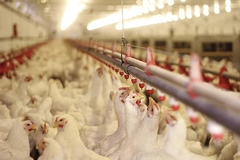
The United States on July 7 requested authorization from the World Trade Organization to unleash trade retaliation to the sum of $450 million in a dispute with New Delhi over restrictions on agriculture imports from the U.S. due to fears of avian flu entering India.
The WTO Dispute Settlement Body (DSB) on June 19, 2015, adopted an Appellate Body report and modified panel report in DS430 faulting India for the measures, and the U.S. and India subsequently determined that New Delhi's reasonable period of time to comply with the panel's recommendations would expire on June 19, 2016.
The U.S. and India were unable to reach an agreement on compensation for what the U.S. charges is India's non-compliance, which led the U.S. to request authorization to retaliate under Article 22.2 of the Dispute Settlement Understanding, according to a July 7 communication to the WTO from the United States.
DS430 revolves around a U.S. complaint over India restricting the import of U.S. poultry due to fears of avian flu spreading. The panel faulted India for violating multiple provisions of the Agreement on Sanitary and Phytosanitary Measures and the Appellate Body mostly upheld the panel's decision.
If India objects to the level of retaliation the U.S. has requested be authorized, arbitration by the original panel or an individual selected by the WTO Director-General ensues to determine the level of concessions acceptable to be withheld by the complaining member. Article 22.6 of the DSU stipulates that determination be made within 60 days of the date the reasonable period of time to comply expires, which is Aug. 18 in this instance.
However, if the DSB by consensus accepts the level of retaliation requested by the U.S. -- meaning India does not object -- then the DSB will grant the U.S. authorization to retaliate within 30 days of the expiration of the reasonable period of time, which in this case is July 19.
The United States initially requested consultations in the dispute in March 2012 and the initial panel report was circulated in October 2014.
The Appellate Body agreed with the October 2014 panel ruling that India's restrictions run afoul of Articles 6.1 and 6.2 of the SPS Agreement, which generally require WTO members to adapt their rules and regulations to regional conditions in the exporting party. India banned poultry and the other covered products from the U.S. as a whole after cases of low pathogenic avian influenza -- or bird flu -- were detected in the U.S. state of Virginia in 2007.
In its June 4 decision, the Appellate Body also agreed with the panel that the restrictions violate Articles 5.1 and 5.2, which required WTO members to base their SPS measures on risk assessments based on scientific principles.
The WTO Dispute Settlement Body (DSB) on June 19, 2015, adopted an Appellate Body report and modified panel report in DS430 faulting India for the measures, and the U.S. and India subsequently determined that New Delhi's reasonable period of time to comply with the panel's recommendations would expire on June 19, 2016.
The U.S. and India were unable to reach an agreement on compensation for what the U.S. charges is India's non-compliance, which led the U.S. to request authorization to retaliate under Article 22.2 of the Dispute Settlement Understanding, according to a July 7 communication to the WTO from the United States.
DS430 revolves around a U.S. complaint over India restricting the import of U.S. poultry due to fears of avian flu spreading. The panel faulted India for violating multiple provisions of the Agreement on Sanitary and Phytosanitary Measures and the Appellate Body mostly upheld the panel's decision.
If India objects to the level of retaliation the U.S. has requested be authorized, arbitration by the original panel or an individual selected by the WTO Director-General ensues to determine the level of concessions acceptable to be withheld by the complaining member. Article 22.6 of the DSU stipulates that determination be made within 60 days of the date the reasonable period of time to comply expires, which is Aug. 18 in this instance.
However, if the DSB by consensus accepts the level of retaliation requested by the U.S. -- meaning India does not object -- then the DSB will grant the U.S. authorization to retaliate within 30 days of the expiration of the reasonable period of time, which in this case is July 19.
The United States initially requested consultations in the dispute in March 2012 and the initial panel report was circulated in October 2014.
The Appellate Body agreed with the October 2014 panel ruling that India's restrictions run afoul of Articles 6.1 and 6.2 of the SPS Agreement, which generally require WTO members to adapt their rules and regulations to regional conditions in the exporting party. India banned poultry and the other covered products from the U.S. as a whole after cases of low pathogenic avian influenza -- or bird flu -- were detected in the U.S. state of Virginia in 2007.
In its June 4 decision, the Appellate Body also agreed with the panel that the restrictions violate Articles 5.1 and 5.2, which required WTO members to base their SPS measures on risk assessments based on scientific principles.
Source: Insidetrade
Các tin khác
- New-generation FTAs open wider export opportunities to Middle East and South Asia (15/06/2026)
- Updated regulations on foreign trade management and import quotas (15/06/2026)
- Mandatory traceability for high-risk goods from July 1st: What should businesses prepare for? (15/06/2026)
- Tariff pressure is forcing businesses to restructure in order to adapt. (15/06/2026)
- Coffee Citizens model aims to lift Vietnamese value chain (15/06/2026)