Home
Home
 About Us


U.S. jacks up anti-dumping tariffs against China Steel
27/05/2017 12:00
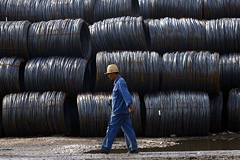
The United States Department of Commerce (DOC) has sharply raised its anti-dumping tariffs against China Steel Corp. (中鋼), the largest steel maker in Taiwan, citing a miscalculation, according to Taiwan's Bureau of Foreign Trade (BOFT).
On May 25, the DOC issued an anti-dumping order to revise upward the tariffs against China Steel, from 6.95 percent to 75.42 percent, after the penalty was imposed in March for selling certain carbon and alloy steel plates at unfairly low prices in the U.S. market.
"Specifically, we inadvertently used China Steel's July 28, 2017, cost data in the final margin calculations, rather than using China Steel's October 11, 2017, cost data, as modified based on adverse facts available and other corrections made in the comparison market program," the DOC said in a memo.
The memo indicated the DOC had used the wrong data to calculate the tariff against China Steel and had raised the tariff after correcting the error.
The tariff against the other mandatory Taiwanese respondent in the case, Shang Chen Steel Co. (尚承), was left at 3.62 percent.
However, the tariffs against other Taiwanese manufacturers of carbon and alloy steel plates have been raised from 5.29 percent to 39.52 percent in the revision.
The anti-dumping tariffs were imposed after the U.S. International Trade Commission handed down a final decision on May 5 regarding the U.S. market damage caused by carbon and alloy steel plate exporters from Taiwan and seven other countries.
The seven other countries found culpable were Austria, Belgium, France, Germany, Italy, Japan and South Korea, and revisions have been made to the tariffs against three of them.
France's have been adjusted from between 8.62 percent and 148.02 percent to between 6.15 percent and 148.02 percent, Germany's from between 5.38 and 22.90 percent to between 5.52and 22.90 percent, and South Korea's from 7.39 percent to 7.10 percent, the BOFT said.
China Steel said that the decision by the DOC to raise the anti-dumping tariffs is not fair and it will file a lawsuit with the U.S. Court of International Trade against the decision.
Taiwan's exports of certain carbon and alloy steel plates to the U.S. hit a record 53,000 metric tons in 2014, with a value of US$37.14 million, but since then have been falling gradually, according to the BOFT.
In 2016, exports of those products to the U.S. fell to 24,665 tons and the sales value to US$13.42 million, the BOTF said.
On May 25, the DOC issued an anti-dumping order to revise upward the tariffs against China Steel, from 6.95 percent to 75.42 percent, after the penalty was imposed in March for selling certain carbon and alloy steel plates at unfairly low prices in the U.S. market.
"Specifically, we inadvertently used China Steel's July 28, 2017, cost data in the final margin calculations, rather than using China Steel's October 11, 2017, cost data, as modified based on adverse facts available and other corrections made in the comparison market program," the DOC said in a memo.
The memo indicated the DOC had used the wrong data to calculate the tariff against China Steel and had raised the tariff after correcting the error.
The tariff against the other mandatory Taiwanese respondent in the case, Shang Chen Steel Co. (尚承), was left at 3.62 percent.
However, the tariffs against other Taiwanese manufacturers of carbon and alloy steel plates have been raised from 5.29 percent to 39.52 percent in the revision.
The anti-dumping tariffs were imposed after the U.S. International Trade Commission handed down a final decision on May 5 regarding the U.S. market damage caused by carbon and alloy steel plate exporters from Taiwan and seven other countries.
The seven other countries found culpable were Austria, Belgium, France, Germany, Italy, Japan and South Korea, and revisions have been made to the tariffs against three of them.
France's have been adjusted from between 8.62 percent and 148.02 percent to between 6.15 percent and 148.02 percent, Germany's from between 5.38 and 22.90 percent to between 5.52and 22.90 percent, and South Korea's from 7.39 percent to 7.10 percent, the BOFT said.
China Steel said that the decision by the DOC to raise the anti-dumping tariffs is not fair and it will file a lawsuit with the U.S. Court of International Trade against the decision.
Taiwan's exports of certain carbon and alloy steel plates to the U.S. hit a record 53,000 metric tons in 2014, with a value of US$37.14 million, but since then have been falling gradually, according to the BOFT.
In 2016, exports of those products to the U.S. fell to 24,665 tons and the sales value to US$13.42 million, the BOTF said.
May 27, 2017
Source: Focus Taiwan
Source: Focus Taiwan
Các tin khác
- New-generation FTAs open wider export opportunities to Middle East and South Asia (15/06/2026)
- Updated regulations on foreign trade management and import quotas (15/06/2026)
- Mandatory traceability for high-risk goods from July 1st: What should businesses prepare for? (15/06/2026)
- Tariff pressure is forcing businesses to restructure in order to adapt. (15/06/2026)
- Coffee Citizens model aims to lift Vietnamese value chain (15/06/2026)