Home
Home
 About Us


POSCO to take high US tariffs to WTO
08/08/2016 12:00
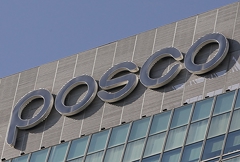
POSCO plans to take legal action against the U.S. government’s decision to slap anti-dumping duties at nearly 60 percent on hot-rolled flat steel products imported from Korea, company officials said Sunday.
The U.S. Department of Commerce (DOC) has leveled duties on the products at 57.04 percent. The stringent measures are designed to protect the U.S. steel industry but will deal a significant blow to Korea’s steelmakers.
A POSCO official called the harsh U.S. anti-dumping and anti-subsidy measures unfair.
“We plan to take legal action or take the case to the World Trade Organization after thoroughly reviewing the U.S. measures,” a POSCO official said.
He said the drop in prices of hot-rolled steel products in the U.S. should not be attributed to imports, but to falling demand for oil drilling and weaker raw material costs.
As part of efforts to minimize the damage, POSCO may have to redirect a certain degree of its U.S. exports to other destinations, the official said.
Korea sent 1.16 million tons of hot-rolled steel plate products worth 779.3 billion won ($700 million) to the U.S. last year.
Of the total, POSCO exported 850,000 tons while local rival Hyundai Steel shipped the rest.
Another issue is that the U.S. government’s protective trade policies are not the first against Korean steel products.
Last month, the DOC decided to impose a 58.36 percent duty on POSCO's cold-rolled steel products and a 38.2 percent duty on Hyundai Steel's products. The two steel companies exported 160,000 tons of cold-rolled steel products to the U.S. last year.
U.S. industry circles have called for stronger tariffs against imported steel products ahead of the presidential election.
The U.S. steel industry has shed nearly 14,000 jobs since January 2015, forcing some steel plants to close temporarily, according to Thomas Gibson, president and CEO of the American Iron and Steel Institute President.
“This is due in large part to the huge surge in imports, which is the result of foreign government interventionist policies that have fueled global overcapacity in steel,” Gibson said.
POSCO relies heavily on U.S. exports and is concerned about the country’s growing protectionism.
“Due to a slowdown in the global economy, developing as well as developed countries are showing a protective tendency in trade,” POSCO Chairman and CEO Kwon Oh-joon said.
“Such a tendency could deal a blow to our future success since POSCO sells half of its total steel products overseas. We should monitor closely our export markets’ trade policies and settle the issue through dialogue with their governments.”
The U.S. Department of Commerce (DOC) has leveled duties on the products at 57.04 percent. The stringent measures are designed to protect the U.S. steel industry but will deal a significant blow to Korea’s steelmakers.
A POSCO official called the harsh U.S. anti-dumping and anti-subsidy measures unfair.
“We plan to take legal action or take the case to the World Trade Organization after thoroughly reviewing the U.S. measures,” a POSCO official said.
He said the drop in prices of hot-rolled steel products in the U.S. should not be attributed to imports, but to falling demand for oil drilling and weaker raw material costs.
As part of efforts to minimize the damage, POSCO may have to redirect a certain degree of its U.S. exports to other destinations, the official said.
Korea sent 1.16 million tons of hot-rolled steel plate products worth 779.3 billion won ($700 million) to the U.S. last year.
Of the total, POSCO exported 850,000 tons while local rival Hyundai Steel shipped the rest.
Another issue is that the U.S. government’s protective trade policies are not the first against Korean steel products.
Last month, the DOC decided to impose a 58.36 percent duty on POSCO's cold-rolled steel products and a 38.2 percent duty on Hyundai Steel's products. The two steel companies exported 160,000 tons of cold-rolled steel products to the U.S. last year.
U.S. industry circles have called for stronger tariffs against imported steel products ahead of the presidential election.
The U.S. steel industry has shed nearly 14,000 jobs since January 2015, forcing some steel plants to close temporarily, according to Thomas Gibson, president and CEO of the American Iron and Steel Institute President.
“This is due in large part to the huge surge in imports, which is the result of foreign government interventionist policies that have fueled global overcapacity in steel,” Gibson said.
POSCO relies heavily on U.S. exports and is concerned about the country’s growing protectionism.
“Due to a slowdown in the global economy, developing as well as developed countries are showing a protective tendency in trade,” POSCO Chairman and CEO Kwon Oh-joon said.
“Such a tendency could deal a blow to our future success since POSCO sells half of its total steel products overseas. We should monitor closely our export markets’ trade policies and settle the issue through dialogue with their governments.”
Source: Korea Times
Các tin khác
- New-generation FTAs open wider export opportunities to Middle East and South Asia (15/06/2026)
- Updated regulations on foreign trade management and import quotas (15/06/2026)
- Mandatory traceability for high-risk goods from July 1st: What should businesses prepare for? (15/06/2026)
- Tariff pressure is forcing businesses to restructure in order to adapt. (15/06/2026)
- Coffee Citizens model aims to lift Vietnamese value chain (15/06/2026)