Home
Home
 About Us



Nepal, India to open re-exports, trade via air
18/06/2015 10:22
Major Outcomes:
* Re-export of third country goods opened
* Trade via air route allowed
* No excise, additional customs and other duties on Nepali exports
* No non-tariff barriers on Nepali exports
* Nepali traders to get same facility as traders dealing in US dollars
KATHMANDU, March 6: Nepal and India have agreed to open up re-export of third country goods through formal agencies based in each other’s territory, eliminating a decades-long ban on such trade.
The agreement to this effect was reached during the two-day bilateral trade talks which concluded in the capital Friday. The two sides also inked a memorandum of understanding (MoU) on a host of decisions taken for facilitating bilateral trade.
“Allowing re-export of third country goods is a major shift in policy, and it has been agreed upon with a view to discouraging transshipment by formalizing the re-exports,” said Surya Silwal, joint secretary at the Ministry of Commerce and Supplies, who signed the MoU on behalf of Nepal.
Hitherto, the Nepal-India trade treaty restricted re-exporting of third country goods to each other’s markets. Even as Nepal has directed its traders to respect this provision of the treaty, India was mainly accused Nepal of flouting it.
The amendment of this provision is expected to facilitate bilateral trade in the context of the changed global trading arrangements and also bring the transshipment of goods within the purview of law and monitoring.
Silwal, who led the Nepali technical team at the talks, told myrepublica.com that the two countries have also decided to open bilateral trade through air transport. So far, the treaty had been silent on conducting trade via air route and recognized trade over land routes only.
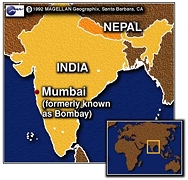
“For the purpose of this, Tribhuvan International Airport in Kathmandu is slated as the official air transit point for trade to India. Likewise, India has designated airports in Kolkata, Mumbai, Delhi and Chennai as transit airports for conducting bilateral as well as third country trade for Nepal,” he said.
During the meeting, India also agreed to incorporate in the bilateral trade treaty a clear provision on exempting excise, additional customs and other duties and charges on Nepali exports to India.
India likewise consented to include in the treaty a similar provision for Nepal on non-tariff and para-tariff barriers. What this means is: India will not impose new quality- and standards-related provisions and new procedures that could hinder Nepal’s exports to India.
Although understandings on not imposing duty and non-tariff barriers were reached in the past also, India time and again imposed additional customs and countervailing duties and changed quarantine and laboratory certification arrangements, thus impeding Nepal’s exports to India.
“Inclusion of these two provisions in the treaty protocol will make them binding on India. Also, incorporation of changes agreed on re-exports of third country trade and opening of trade via air will help expand the scope of the treaty,” said Silwal.
Nepal had been seeking inclusion of these provisions in the treaty in a bid to create a predictable trading environment and lure investments and industries targeting the Indian market.
The two sides further agreed to eliminate the Duty Refund Procedure (DRP) - a mechanism pursued by the two countries to refund to Nepal excise duty paid on imports - as India has agreed to exempt the excise duty.
Likewise, India, which provides special facilities to overseas importers whose transactions are in US dollar, agreed to extend all those facilities to Nepali traders as well. “These facilities will be pledged even if Nepali importers pay in Indian currency,” said Silwal.
The two sides also decided to expand roads and build audit roads on major trading routes in a bid to do away with the present traffic congestion and facilitate overland trade.
The Indian team agreed to provide technical assistance to Nepal for upgrading the central food laboratory and the laboratory of the Department of Standards and Metrology (DoSM) and to harmonize the standards and accreditation system between the two countries.
The agreements formalized on Friday will now be picked up at secretary-level talks, expected to be held within a couple of months, before being signed as a new bilateral trade treaty by the commerce ministers of the two countries.
* Re-export of third country goods opened
* Trade via air route allowed
* No excise, additional customs and other duties on Nepali exports
* No non-tariff barriers on Nepali exports
* Nepali traders to get same facility as traders dealing in US dollars
KATHMANDU, March 6: Nepal and India have agreed to open up re-export of third country goods through formal agencies based in each other’s territory, eliminating a decades-long ban on such trade.
The agreement to this effect was reached during the two-day bilateral trade talks which concluded in the capital Friday. The two sides also inked a memorandum of understanding (MoU) on a host of decisions taken for facilitating bilateral trade.
“Allowing re-export of third country goods is a major shift in policy, and it has been agreed upon with a view to discouraging transshipment by formalizing the re-exports,” said Surya Silwal, joint secretary at the Ministry of Commerce and Supplies, who signed the MoU on behalf of Nepal.
Hitherto, the Nepal-India trade treaty restricted re-exporting of third country goods to each other’s markets. Even as Nepal has directed its traders to respect this provision of the treaty, India was mainly accused Nepal of flouting it.
The amendment of this provision is expected to facilitate bilateral trade in the context of the changed global trading arrangements and also bring the transshipment of goods within the purview of law and monitoring.
Silwal, who led the Nepali technical team at the talks, told myrepublica.com that the two countries have also decided to open bilateral trade through air transport. So far, the treaty had been silent on conducting trade via air route and recognized trade over land routes only.
“For the purpose of this, Tribhuvan International Airport in Kathmandu is slated as the official air transit point for trade to India. Likewise, India has designated airports in Kolkata, Mumbai, Delhi and Chennai as transit airports for conducting bilateral as well as third country trade for Nepal,” he said.
During the meeting, India also agreed to incorporate in the bilateral trade treaty a clear provision on exempting excise, additional customs and other duties and charges on Nepali exports to India.
India likewise consented to include in the treaty a similar provision for Nepal on non-tariff and para-tariff barriers. What this means is: India will not impose new quality- and standards-related provisions and new procedures that could hinder Nepal’s exports to India.
Although understandings on not imposing duty and non-tariff barriers were reached in the past also, India time and again imposed additional customs and countervailing duties and changed quarantine and laboratory certification arrangements, thus impeding Nepal’s exports to India.
“Inclusion of these two provisions in the treaty protocol will make them binding on India. Also, incorporation of changes agreed on re-exports of third country trade and opening of trade via air will help expand the scope of the treaty,” said Silwal.
Nepal had been seeking inclusion of these provisions in the treaty in a bid to create a predictable trading environment and lure investments and industries targeting the Indian market.
The two sides further agreed to eliminate the Duty Refund Procedure (DRP) - a mechanism pursued by the two countries to refund to Nepal excise duty paid on imports - as India has agreed to exempt the excise duty.
Likewise, India, which provides special facilities to overseas importers whose transactions are in US dollar, agreed to extend all those facilities to Nepali traders as well. “These facilities will be pledged even if Nepali importers pay in Indian currency,” said Silwal.
The two sides also decided to expand roads and build audit roads on major trading routes in a bid to do away with the present traffic congestion and facilitate overland trade.
The Indian team agreed to provide technical assistance to Nepal for upgrading the central food laboratory and the laboratory of the Department of Standards and Metrology (DoSM) and to harmonize the standards and accreditation system between the two countries.
The agreements formalized on Friday will now be picked up at secretary-level talks, expected to be held within a couple of months, before being signed as a new bilateral trade treaty by the commerce ministers of the two countries.
MILAN MANI SHARMA
milan@myrepublica.com
Published on 2009-03-06 18:23:21
Source: www.myrepublica.com
milan@myrepublica.com
Published on 2009-03-06 18:23:21
Source: www.myrepublica.com
Các tin khác
- New-generation FTAs open wider export opportunities to Middle East and South Asia (15/06/2026)
- Updated regulations on foreign trade management and import quotas (15/06/2026)
- Mandatory traceability for high-risk goods from July 1st: What should businesses prepare for? (15/06/2026)
- Tariff pressure is forcing businesses to restructure in order to adapt. (15/06/2026)
- Coffee Citizens model aims to lift Vietnamese value chain (15/06/2026)