Home
Home
 About Us



Kenya industry safeguards place it on a collision path with WTO over free trade
30/07/2015 12:00
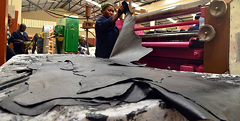
Kenya faces a dilemma over continued protection of its manufacturers amid risk of reprisals from other World Trade Organisation (WTO) members aggrieved by its actions.
The global body has in its latest audit report for July 2015 listed Kenya among countries that are using tariff barriers to shield domestic producers against external competition and warned that such measures could restrict trade and weaken the prospects for full recovery from the global recession.
The survey released on July 23 by WTO Director-General Roberto Azevêdo showed that 104 new trade-restrictive measures (excluding trade remedy measures) were put in place globally in the reporting period October 16, 2014 to May 15, 2015 – an average of around 15 new measures per month.
This monthly rate has remained relatively stable since 2012, though the overall stock of measures nevertheless continues to rise.
Of the 2,416 measures recorded since October 2008, less than 25 per cent have been removed, leaving the stock of restrictive measures still in place at 1,828. This represents an increase of 12 per cent compared to the last report.
“This remains a cause for concern and continued vigilance is required from WTO members,” MrAzevêdo says.
“The multilateral trading system has proven its usefulness in providing a predictable and transparent framework governing trade between nations and in helping members resist protectionist pressures as a response to the global economic and financial crisis and thereafter,” adds the WTO boss.
“This role in providing a stable, predictable and transparent trading environment should be kept in mind as members prepare for the WTO’s tenth Ministerial Conference in Nairobi in December.”
Protectionism
Kenya has over the past decade found itself flagged in the WTO roll of countries effecting restrictive administrative measures even as the government maintained a series of measures it said would assist protect local manufactures from cheaper imports.
A report by the WTO in 2009 pointed out that between 1996 to 2006, Kenya effected upward tariff adjustments of at least 15 percentage points on 250 products and goods, making it one of the top users of tariffs to protect domestic producers.
The administrative measures escalated following the onset of the global economic crisis with many countries resorting to using formal as well as informal contingency measures to shield their economies from external competition.
“It is no secret that manufactures have had a difficult time in Kenya starting from the time fuel prices hit the roof and the cost of power was unbearable. The state had to come to the aid of manufacturers and protect the little money they were making,” Patel Shah, a plastics dealer in Nairobi said.
Kenya in December 2014, for instance, offered temporary support measures for several goods and items under the duty remission scheme.
Among the beneficiaries were importers of duplex board products for exports of unit and folding boxes, corrugated boxes, flower sleeves, labels, paper and paperboard products, and BOPP film.
The global body has in its latest audit report for July 2015 listed Kenya among countries that are using tariff barriers to shield domestic producers against external competition and warned that such measures could restrict trade and weaken the prospects for full recovery from the global recession.
The survey released on July 23 by WTO Director-General Roberto Azevêdo showed that 104 new trade-restrictive measures (excluding trade remedy measures) were put in place globally in the reporting period October 16, 2014 to May 15, 2015 – an average of around 15 new measures per month.
This monthly rate has remained relatively stable since 2012, though the overall stock of measures nevertheless continues to rise.
Of the 2,416 measures recorded since October 2008, less than 25 per cent have been removed, leaving the stock of restrictive measures still in place at 1,828. This represents an increase of 12 per cent compared to the last report.
“This remains a cause for concern and continued vigilance is required from WTO members,” MrAzevêdo says.
“The multilateral trading system has proven its usefulness in providing a predictable and transparent framework governing trade between nations and in helping members resist protectionist pressures as a response to the global economic and financial crisis and thereafter,” adds the WTO boss.
“This role in providing a stable, predictable and transparent trading environment should be kept in mind as members prepare for the WTO’s tenth Ministerial Conference in Nairobi in December.”
Protectionism
Kenya has over the past decade found itself flagged in the WTO roll of countries effecting restrictive administrative measures even as the government maintained a series of measures it said would assist protect local manufactures from cheaper imports.
A report by the WTO in 2009 pointed out that between 1996 to 2006, Kenya effected upward tariff adjustments of at least 15 percentage points on 250 products and goods, making it one of the top users of tariffs to protect domestic producers.
The administrative measures escalated following the onset of the global economic crisis with many countries resorting to using formal as well as informal contingency measures to shield their economies from external competition.
“It is no secret that manufactures have had a difficult time in Kenya starting from the time fuel prices hit the roof and the cost of power was unbearable. The state had to come to the aid of manufacturers and protect the little money they were making,” Patel Shah, a plastics dealer in Nairobi said.
Kenya in December 2014, for instance, offered temporary support measures for several goods and items under the duty remission scheme.
Among the beneficiaries were importers of duplex board products for exports of unit and folding boxes, corrugated boxes, flower sleeves, labels, paper and paperboard products, and BOPP film.
July 27, 2015
Source: Business Daily Africa
Source: Business Daily Africa
| Tải tài liệu | |
|---|---|
| 150727 Kenya industry safeguards place it on a collision path with WTO over free trade | |
Các tin khác
- New-generation FTAs open wider export opportunities to Middle East and South Asia (15/06/2026)
- Updated regulations on foreign trade management and import quotas (15/06/2026)
- Mandatory traceability for high-risk goods from July 1st: What should businesses prepare for? (15/06/2026)
- Tariff pressure is forcing businesses to restructure in order to adapt. (15/06/2026)
- Coffee Citizens model aims to lift Vietnamese value chain (15/06/2026)