Home
Home
 About Us


China: Export curbs 'in line with WTO rules'
22/07/2016 12:00
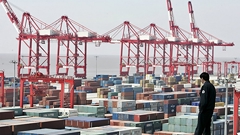
BEIJING, China – China insisted its controls over some raw materials exports were legal, after the European Union (EU) followed the United States to take it to the World Trade Organization (WTO) over the restrictions.
The EU lodged the legal challenge on Tuesday, July 19, accusing China – the world's largest trader in goods – of violating WTO rules with duties and quotas on 11 key materials.
In a similar filing last week, the US alleged China failed to live up to a commitment made when it joined the WTO in 2001 to eliminate such export duties. Washington said Tuesday it had expanded its complaint to include all the same materials covered in the European action.
The substances – including graphite, cobalt, chromium, and magnesia – are essential in a broad range of industries, from aerospace and car manufacturing to electronics and chemicals.
But China's trade authorities defended the curbs, saying they were meant to protect the environment and comply with WTO rules.
"China's controls such as export duties and quotas over relevant raw materials are based on the need to protect the resources and the environment," Beijing's commerce ministry said in a statement Tuesday.
"They are part of the comprehensive measures to strengthen the protection of the ecological environment and are in line with WTO rules," it said.
It added China "regrets" the EU action and will handle the case following the WTO's dispute settlement procedures.
The US complained that Beijing's export duties raised prices for overseas buyers while local companies paid much less and had more secure supplies, and that they put pressure on non-Chinese manufacturers to shift production, technologies, and jobs to the country.
The EU launched successful actions against China in 2012 and 2014 over rare earths and raw materials such as bauxite, zinc, and coke.
The European Commission, the EU's executive arm, is due Wednesday, July 20, to review trade links with China ahead of a December deadline whereby, under the terms of its WTO accession, the country should be regarded as a market economy, not one where the state plays a central role.
The EU lodged the legal challenge on Tuesday, July 19, accusing China – the world's largest trader in goods – of violating WTO rules with duties and quotas on 11 key materials.
In a similar filing last week, the US alleged China failed to live up to a commitment made when it joined the WTO in 2001 to eliminate such export duties. Washington said Tuesday it had expanded its complaint to include all the same materials covered in the European action.
The substances – including graphite, cobalt, chromium, and magnesia – are essential in a broad range of industries, from aerospace and car manufacturing to electronics and chemicals.
But China's trade authorities defended the curbs, saying they were meant to protect the environment and comply with WTO rules.
"China's controls such as export duties and quotas over relevant raw materials are based on the need to protect the resources and the environment," Beijing's commerce ministry said in a statement Tuesday.
"They are part of the comprehensive measures to strengthen the protection of the ecological environment and are in line with WTO rules," it said.
It added China "regrets" the EU action and will handle the case following the WTO's dispute settlement procedures.
The US complained that Beijing's export duties raised prices for overseas buyers while local companies paid much less and had more secure supplies, and that they put pressure on non-Chinese manufacturers to shift production, technologies, and jobs to the country.
The EU launched successful actions against China in 2012 and 2014 over rare earths and raw materials such as bauxite, zinc, and coke.
The European Commission, the EU's executive arm, is due Wednesday, July 20, to review trade links with China ahead of a December deadline whereby, under the terms of its WTO accession, the country should be regarded as a market economy, not one where the state plays a central role.
Source: Rappler.com
Các tin khác
- New-generation FTAs open wider export opportunities to Middle East and South Asia (15/06/2026)
- Updated regulations on foreign trade management and import quotas (15/06/2026)
- Mandatory traceability for high-risk goods from July 1st: What should businesses prepare for? (15/06/2026)
- Tariff pressure is forcing businesses to restructure in order to adapt. (15/06/2026)
- Coffee Citizens model aims to lift Vietnamese value chain (15/06/2026)