Home
Home
 About Us



When the export engine cools down
19/11/2008 12:00
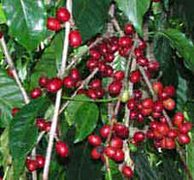
VietNamNet Bridge – Contraction has by no means been heard in Vietnam’s export performance throughout the long years of development, but the global financial meltdown has turned the tide and driven local policymakers to a second thought.
In March, Vietnam’s robusta coffee fetched the record price of US$2,900 per ton, the highest in the past 15 years, before falling to around US$1,500-1,800 per ton at present.
For the first time in recent memory, the Ministry of Industry and Trade has predicted negative export growth rates for many economic sectors, although the economy as a whole will still gain positive export growth.
Says the ministry in a statement: “Next year’s high export growth is impossible, and the rate is predicted at around 10%.” This remark – albeit different from the official target of export growth rate at 18% for next year to nearly US$77 billion – casts a gloomy outlook for the country’s economy, which for the past many years seen overseas shipment jumping by between 20% and 30% a year. Several export mainstays of the country, including farm produce, and mineral products like crude oil and coal, are unlikely to register positive growth next year, according to the ministry.
Thorny road for farm produce
Farm produce, although not making up a high share of the total export turnover, still is a strong engine behind the country’s export performance as it accounts for over 20% of the total value with over US$13 billion expected this year, which is an increase of over 35% against last year’s. Next year will see another picture, when farm produce export is targeted to increase a mere 2.2%, resulting in its falling proportion in the total export value to around 18% against 20% this year.
Perhaps fisheries and veggies will be the sole export products in the spotlight as their export growth will remain stable, almost all other agricultural products will suffer either contraction or marked slowdown.
Rice – always mentioned first in the list of export earners in the sector – will be the first victim. The Ministry of Industry and Trade forecasts that rice will generate an export income of US$2.3 billion next year, or a deep cut of 19.3% from this year’s performance of US$2.85 billion. The ministry says the global financial crisis coupled with the falling prices will hit Vietnam’s rice export hard.
Coffee will be on the same boat. This farm produce is expected to fetch just US$2.2 billion next year, down by 4.3% year on year. The nation’s coffee export earnings this year has skyrocketed thanks to the increasing price since 2005.
In March, Vietnam’s robusta coffee fetched the record price of US$2,900 per ton, the highest in the past 15 years, before falling to around US$1,500-1,800 per ton at present.
“Everybody knows the main reason. It is because of the global financial and economic crisis,” says Luong Van Tu, chairman of Vietnam Coffee and Cocoa Association.
The same plight has also hit rubber, once considered the white gold for the farm produce’s high profit margin. The export value for rubber next year is estimated to contract by 5%, a stark contrast with this year’s growth rate of 44% from the previous year. As the world’s crude oil price falls sharply, the price of synthetic rubber as a by-product in crude refining has also fallen, dragging down latex price as well.
Years ago, natural rubber used to outpace rice to take the lead among the country’s biggest export earners owing to high world demands. Beside the falling crude oil price, the global crisis hit the automobile industry hard, dragging down demands for natural rubber for manufacturing tires and tubes.
Manufactured products to buoy exports
Under such a dreary picture for farm produce, the Ministry of Industry and Trade pins its hope in industrial products, which are expected to grow by 38% in export value to reach US$52 billion next year. This commodity group is also believed to capture 66% of the country’s total export value compared to 58% of this year.
Vietnam’s spearheading export items of garment and footwear are estimated to grow by 21% and 12.1% in values, respectively, or nearly the same pace of this year. However, the driving force behind the fast emergence of industrial products next year, according to the ministry, are ‘secondary’ items like electric cable and wire, suitcases, handbags, hats, and umbrellas.
The export earnings of suitcases and handbags this year is estimated at US$850 million, up 34% year-on-year, and forecast to leap 53% to US$1.3 billion in 2009 owning to easier access to overseas markets. The ministry says this group pf commodities are not imposed high taxes or antidumping regulations in foreign markets.
Electric wires and cables are expected to increase 40% to US$1.4 billion from this year’s US$1 billion and will penetrate more markets besides Japan. Some enterprises are even overly optimistic, hoping this commodity group to fetch as much as US$2 billion next year.
In March, Vietnam’s robusta coffee fetched the record price of US$2,900 per ton, the highest in the past 15 years, before falling to around US$1,500-1,800 per ton at present.
For the first time in recent memory, the Ministry of Industry and Trade has predicted negative export growth rates for many economic sectors, although the economy as a whole will still gain positive export growth.
Says the ministry in a statement: “Next year’s high export growth is impossible, and the rate is predicted at around 10%.” This remark – albeit different from the official target of export growth rate at 18% for next year to nearly US$77 billion – casts a gloomy outlook for the country’s economy, which for the past many years seen overseas shipment jumping by between 20% and 30% a year. Several export mainstays of the country, including farm produce, and mineral products like crude oil and coal, are unlikely to register positive growth next year, according to the ministry.
Thorny road for farm produce
Farm produce, although not making up a high share of the total export turnover, still is a strong engine behind the country’s export performance as it accounts for over 20% of the total value with over US$13 billion expected this year, which is an increase of over 35% against last year’s. Next year will see another picture, when farm produce export is targeted to increase a mere 2.2%, resulting in its falling proportion in the total export value to around 18% against 20% this year.
Perhaps fisheries and veggies will be the sole export products in the spotlight as their export growth will remain stable, almost all other agricultural products will suffer either contraction or marked slowdown.
Rice – always mentioned first in the list of export earners in the sector – will be the first victim. The Ministry of Industry and Trade forecasts that rice will generate an export income of US$2.3 billion next year, or a deep cut of 19.3% from this year’s performance of US$2.85 billion. The ministry says the global financial crisis coupled with the falling prices will hit Vietnam’s rice export hard.
Coffee will be on the same boat. This farm produce is expected to fetch just US$2.2 billion next year, down by 4.3% year on year. The nation’s coffee export earnings this year has skyrocketed thanks to the increasing price since 2005.
In March, Vietnam’s robusta coffee fetched the record price of US$2,900 per ton, the highest in the past 15 years, before falling to around US$1,500-1,800 per ton at present.
“Everybody knows the main reason. It is because of the global financial and economic crisis,” says Luong Van Tu, chairman of Vietnam Coffee and Cocoa Association.
The same plight has also hit rubber, once considered the white gold for the farm produce’s high profit margin. The export value for rubber next year is estimated to contract by 5%, a stark contrast with this year’s growth rate of 44% from the previous year. As the world’s crude oil price falls sharply, the price of synthetic rubber as a by-product in crude refining has also fallen, dragging down latex price as well.
Years ago, natural rubber used to outpace rice to take the lead among the country’s biggest export earners owing to high world demands. Beside the falling crude oil price, the global crisis hit the automobile industry hard, dragging down demands for natural rubber for manufacturing tires and tubes.
Manufactured products to buoy exports
Under such a dreary picture for farm produce, the Ministry of Industry and Trade pins its hope in industrial products, which are expected to grow by 38% in export value to reach US$52 billion next year. This commodity group is also believed to capture 66% of the country’s total export value compared to 58% of this year.
Vietnam’s spearheading export items of garment and footwear are estimated to grow by 21% and 12.1% in values, respectively, or nearly the same pace of this year. However, the driving force behind the fast emergence of industrial products next year, according to the ministry, are ‘secondary’ items like electric cable and wire, suitcases, handbags, hats, and umbrellas.
The export earnings of suitcases and handbags this year is estimated at US$850 million, up 34% year-on-year, and forecast to leap 53% to US$1.3 billion in 2009 owning to easier access to overseas markets. The ministry says this group pf commodities are not imposed high taxes or antidumping regulations in foreign markets.
Electric wires and cables are expected to increase 40% to US$1.4 billion from this year’s US$1 billion and will penetrate more markets besides Japan. Some enterprises are even overly optimistic, hoping this commodity group to fetch as much as US$2 billion next year.
SGT
16:00' 14/11/2008 (GMT+7)
Source: english.vietnamnet.vn
16:00' 14/11/2008 (GMT+7)
Source: english.vietnamnet.vn
Các tin khác
- Rising global shipping costs put pressure on Viet Nam’s seafood exporters (22/06/2026)
- India likely to retain anti-dumping duties on Bangladeshi jute products (22/06/2026)
- Japan slaps anti-dumping duties on Chinese, Taiwanese steel (22/06/2026)
- India initiates anti-dumping probe against a Chinese, Japanese chemical used in tyre, rubber items (22/06/2026)
- Reasons why the US continues to suspend customs clearance for Vietnamese trailers (22/06/2026)