Home
Home
 About Us



Vietnam does not dump leather-capped shoes on EU: MOIT
30/09/2008 12:00
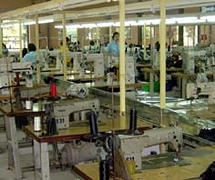
VietNamNet Bridge – In an interview with press agencies on September 25 on the margin of Deputy Prime Minister Pham Gia Khiem’s trip to EU countries, Deputy Minister of Industry and Trade Le Danh Vinh once again affirmed that Vietnam does not dump leather-capped shoes on the EU market.
Vinh said:
The Ministry of Industry and Trade joined forces with Vietnam’s Embassy to the EC to hold a press conference where Vietnam provided information about shoe exports to the EU and expressed its viewpoint on the EU’s anti-dumping tax imposition on Vietnam-made shoes. July 7, 2008 was the deadline for European shoe producers to file proposals on reviewing the anti-dumping taxation on leather-capped shoes.
On September 17, two days after the press conference, the EU’s Anti-dumping Advisory Committee convened the meeting and discussed reviewing the anti-dumping tax on Vietnam’s leather-capped shoes. 15 of 27 EU member countries protested the review. EU commissioners will meet in some days to decide whether or not to hold the review.
What is Vietnam’s viewpoint on the EC’s consideration of reviewing and extending taxation on Vietnam’s leather-capped shoes?
I can affirm that Vietnam does not dump shoes and it does not follow policies on dumping products on the world’s markets. The fact that some shoe producers in the EU asked to review the anti-dumping tax on Vietnam’s leather-capped shoes does not reflect the common viewpoint of European shoe companies, which comes contrary to the trade liberalisation trend the EU is pursuing, while ignoring the benefit of consumers and related enterprises.
The period of 2009-2011 is a necessary preparation period for Vietnam to actively join and fully implement its WTO commitments and the ASEAN-EU trade liberalisation agreement which is now under negotiation. Vietnam has been excluded from the list of countries that can enjoy GSP (Generalised System of Preferences) on leather shoes for 2009-2011. If the 10% anti-dumping tax rate is extended for 1.5 years more, Vietnam’s shoe industry will face serious difficulties, and will cause job losses and affect the incomes of labourers in the industry.
I have asked the EU not to make the tax review and let the anti-dumping taxation automatically expire on October 6, 2008.
In the last few days, eight institutions of the EU, including the European Consumers’ Organisation and European Brand Footwear Coalition (EBFC), have released official communiqués, protesting the tax review on Vietnam and China-sourced leather-capped shoes. This shows that the public in the EU advocates the ending of the anti-dumping taxation.
What messages did you send to EC officials and shoe producers in the EU?
Vietnam is a developing country which is still at a low development level with a small scale economy, and is facing a big trade deficit. Therefore, it could not threaten EU enterprises.
The EU always calls for trade liberalisation. The shift of the industries that need many labourers like the shoe industries in developed economies to developing countries proves to be inevitable. EU enterprises have advantages in capital, technologies, design and marketing, while Vietnamese enterprises have labourers and production skills. European and Vietnamese enterprises can cooperate with each other in order to better serve the benefits of consumers, including European consumers. Cooperation is better than confrontation.
Vinh said:
The Ministry of Industry and Trade joined forces with Vietnam’s Embassy to the EC to hold a press conference where Vietnam provided information about shoe exports to the EU and expressed its viewpoint on the EU’s anti-dumping tax imposition on Vietnam-made shoes. July 7, 2008 was the deadline for European shoe producers to file proposals on reviewing the anti-dumping taxation on leather-capped shoes.
On September 17, two days after the press conference, the EU’s Anti-dumping Advisory Committee convened the meeting and discussed reviewing the anti-dumping tax on Vietnam’s leather-capped shoes. 15 of 27 EU member countries protested the review. EU commissioners will meet in some days to decide whether or not to hold the review.
What is Vietnam’s viewpoint on the EC’s consideration of reviewing and extending taxation on Vietnam’s leather-capped shoes?
I can affirm that Vietnam does not dump shoes and it does not follow policies on dumping products on the world’s markets. The fact that some shoe producers in the EU asked to review the anti-dumping tax on Vietnam’s leather-capped shoes does not reflect the common viewpoint of European shoe companies, which comes contrary to the trade liberalisation trend the EU is pursuing, while ignoring the benefit of consumers and related enterprises.
The period of 2009-2011 is a necessary preparation period for Vietnam to actively join and fully implement its WTO commitments and the ASEAN-EU trade liberalisation agreement which is now under negotiation. Vietnam has been excluded from the list of countries that can enjoy GSP (Generalised System of Preferences) on leather shoes for 2009-2011. If the 10% anti-dumping tax rate is extended for 1.5 years more, Vietnam’s shoe industry will face serious difficulties, and will cause job losses and affect the incomes of labourers in the industry.
I have asked the EU not to make the tax review and let the anti-dumping taxation automatically expire on October 6, 2008.
In the last few days, eight institutions of the EU, including the European Consumers’ Organisation and European Brand Footwear Coalition (EBFC), have released official communiqués, protesting the tax review on Vietnam and China-sourced leather-capped shoes. This shows that the public in the EU advocates the ending of the anti-dumping taxation.
What messages did you send to EC officials and shoe producers in the EU?
Vietnam is a developing country which is still at a low development level with a small scale economy, and is facing a big trade deficit. Therefore, it could not threaten EU enterprises.
The EU always calls for trade liberalisation. The shift of the industries that need many labourers like the shoe industries in developed economies to developing countries proves to be inevitable. EU enterprises have advantages in capital, technologies, design and marketing, while Vietnamese enterprises have labourers and production skills. European and Vietnamese enterprises can cooperate with each other in order to better serve the benefits of consumers, including European consumers. Cooperation is better than confrontation.
Lao dong
16:56' 26/09/2008 (GMT+7)
Source: english.vietnamnet.vn
16:56' 26/09/2008 (GMT+7)
Source: english.vietnamnet.vn
Các tin khác
- Following the imposition of the highest tariff of 37.13%, the Ministry of Industry and Trade is reviewing galvanized steel from China (19/06/2026)
- Official tariffs have been imposed on colorless float glass imported from Indonesia and Malaysia (19/06/2026)
- India seeks to continue anti-dumping duties on Bangladesh’s jute products (19/06/2026)
- Turkey Initiates Anti-Dumping Investigation into Polyester Cord Fabric from Viet Nam (19/06/2026)
- Chinese dumping in Brazil affected the entire garlic supply chain (19/06/2026)