Home
Home
 About Us



U.S. top court rules for USEC on uranium imports
04/02/2009 12:00
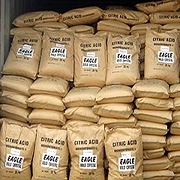
WASHINGTON, Jan 26 (Reuters) - The U.S. Supreme Court ruled on Monday for uranium enrichment company USEC Inc (USU.N) and the federal government in an anti-dumping case involving certain low-enriched uranium imports from France.
The high court's unanimous decision was a defeat for French nuclear energy producer Areva (CEPFi.PA), which had supplied the imported uranium at issue in the case.
The opinion written by Justice David Souter reversed a federal appeals court ruling that imports of the uranium under certain kinds of contracts are not subject to U.S. trade law.
The appeals court had ruled that enrichment transactions under separate work unit contracts are sales of services, not goods, and thus outside the scope of the U.S. anti-dumping law.
But the Supreme Court ruled that the appeals court was wrong. It marked the first time the Supreme Court has considered and ruled on the anti-dumping law.
Souter wrote that the Commerce Department had treated the transactions at issue as sales of foreign merchandise subject to the anti-dumping law. He said the department's way of viewing the transactions as sales of goods, not services, reflected a permissible interpretation of the law.
Souter said the department's position was reinforced by practical reasons aimed at preserving the effectiveness of anti-dumping duties.
The Commerce Department and the U.S. International Trade Commission had previously held that ending anti-dumping duties on the imports would hurt the U.S. enrichment industry and that dumping was likely to recur if the duties were ended.
USEC, based in Bethesda, Maryland and the only U.S. company that enriches uranium, has said that reversal of the appeals court's decision would ensure "the continued stability of the U.S. nuclear fuel market and the healthy future of the U.S. enrichment industry."
The high court's unanimous decision was a defeat for French nuclear energy producer Areva (CEPFi.PA), which had supplied the imported uranium at issue in the case.
The opinion written by Justice David Souter reversed a federal appeals court ruling that imports of the uranium under certain kinds of contracts are not subject to U.S. trade law.
The appeals court had ruled that enrichment transactions under separate work unit contracts are sales of services, not goods, and thus outside the scope of the U.S. anti-dumping law.
But the Supreme Court ruled that the appeals court was wrong. It marked the first time the Supreme Court has considered and ruled on the anti-dumping law.
Souter wrote that the Commerce Department had treated the transactions at issue as sales of foreign merchandise subject to the anti-dumping law. He said the department's way of viewing the transactions as sales of goods, not services, reflected a permissible interpretation of the law.
Souter said the department's position was reinforced by practical reasons aimed at preserving the effectiveness of anti-dumping duties.
The Commerce Department and the U.S. International Trade Commission had previously held that ending anti-dumping duties on the imports would hurt the U.S. enrichment industry and that dumping was likely to recur if the duties were ended.
USEC, based in Bethesda, Maryland and the only U.S. company that enriches uranium, has said that reversal of the appeals court's decision would ensure "the continued stability of the U.S. nuclear fuel market and the healthy future of the U.S. enrichment industry."
By James Vicini
(Reporting by James Vicini, Editing by Lisa Von Ahn)
Mon Jan 26, 2009 3:48pm GMT
Source: uk.reuters.com
(Reporting by James Vicini, Editing by Lisa Von Ahn)
Mon Jan 26, 2009 3:48pm GMT
Source: uk.reuters.com
Các tin khác
- Rising global shipping costs put pressure on Viet Nam’s seafood exporters (22/06/2026)
- India likely to retain anti-dumping duties on Bangladeshi jute products (22/06/2026)
- Japan slaps anti-dumping duties on Chinese, Taiwanese steel (22/06/2026)
- India initiates anti-dumping probe against a Chinese, Japanese chemical used in tyre, rubber items (22/06/2026)
- Reasons why the US continues to suspend customs clearance for Vietnamese trailers (22/06/2026)