Home
Home
 About Us



This Economics is Tricky Stuff
19/11/2009 12:00
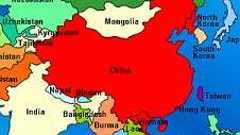
The Obama Administration has decided that Asia matters. Driven primarily by the specter of emerging Chinese economic might, the President is nonetheless embracing the region as a whole.
Set aside his glib use of his childhood years in Indonesia as making him the "first pacific President." Obama appears to be sincere in paying as much attention to Asia as to Europe.
His "differences" with several Asian nations over human rights--ranging from mild rebukes to China, strong advice to Myanmar, and crisis management with North Korea--tend to obscure the reality that the real debate is about economics.
And it is with economics that former law professor Obama may receive a schooling. Unlike political diplomacy, which is often a zero-sum game, economic diplomacy is far more nuanced and unpredictable. Push a button here, pull a lever there, and a whole new unforseen picture may be created.
The top item on this agenda is the continued undervaluing of China's currency, which has allowed the country to generate enormous sales of everyting from party favors to laptop computers at great prices to consumers in the US and throughout the world.
Stop pegging the currency to the dollar, let it float, the argument goes, then US producers will have a more level playing field, and all those great jobs will return to Ohio and Michigan, as Obama promised they would during his campaign.
One of the big problems is that a stronger Chinese currency will reduce the value of the hundreds of billions of dollars of US debt that China has steadily acquired in recent years.
A strong Chinese currency won't necessarily cause a proportionate rise in the dollar, but it may strengthen it. This would be a disaster from where I often sit in the Philippines, a country that generates about 13% of its economy from millions of overseas workers, about half of them in the US.
A recent dollar strengthening dropped the exchange rate here from around 48 to around 46 to the dollar, something that immediately cut the inflow of remittances from the US by about $1 million per day.
It's generally agreed that in the long term the country needs to develop more of its own good jobs and get off of the addiction to foreign remittances. Of course, it's also often argued that the US should get off its addiction to foreign oil. Which will happen first?
Who cares about the Philippines, anyway? The Obama administration says it does, and a recent friendly visit by Hillary Clinton underscored that point.
By Roger Strukhoff
November 16, 2009 09:30 AM EST
Source: openwebdeveloper.sys-con.com
Các tin khác
- Rising global shipping costs put pressure on Viet Nam’s seafood exporters (22/06/2026)
- India likely to retain anti-dumping duties on Bangladeshi jute products (22/06/2026)
- Japan slaps anti-dumping duties on Chinese, Taiwanese steel (22/06/2026)
- India initiates anti-dumping probe against a Chinese, Japanese chemical used in tyre, rubber items (22/06/2026)
- Reasons why the US continues to suspend customs clearance for Vietnamese trailers (22/06/2026)