Home
Home
 About Us



Protection is not the answer in dangerous times
24/12/2008 12:00
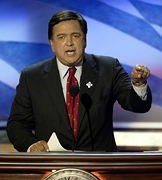
The question whether the Obama presidency could deliver the coup de grâce to the sickly Doha trade round may seem like a mere footnote to the unfolding economic drama. Doha’s few ardent supporters concede that the direct boost from a global trade accord would be modest – peanuts compared with the hundreds of billions of fiscal stimulus being pumped into the stalling global economy. The cancellation this month of a ministerial meeting at the World Trade Organisation was all but shrugged off by Pascal Lamy, the WTO director-general. Even in the last chance saloon, he said, there were more drinks available at the bar.
Yet this was not quite the nonevent that Mr Lamy made out. Doha is not a footnote. It is the canary in a fast-flooding mine. The meeting had been ordered up at their November summit by leaders of the G20, countries that between them account for 80 per cent of world trade, with trumpeted instructions to secure the framework of a deal by the year’s end – before the presidency of George W. Bush, a convinced free trader, gives way to that of the trade sceptic Barack Obama. It did not take place for one reason: these same governments had failed to give trade ministers new marching orders.
The G20’s Doha pledge was a test of international will to keep markets open. Governments failed that test, and are failing others, too. The G20 also undertook not to impose or raise any new barriers to trade or investment for the next 12 months.
Days later, Russia raised import duties on imported cars and announced a general review of all its trade agreements and India increased tariffs on steel. China, cunningly, had already slipped in new export tax rebates on more than 3,700 products – covering roughly 28 per cent its exports – under a “China World Top Brand” programme that on Friday the United States took to the WTO. This was not innocent trade promotion, the US plausibly complains, but a massive export subsidy that gives Chinese manufacturers an unfair advantage over exporters in countries whose cash-strapped governments cannot afford to forgo big hunks of tax revenue. But China could well retort that the US bailout for Detroit is equally discriminatory, as is Nicolas Sarkozy’s “investment fund” to keep France “a country where we continue to build cars, boats, trains and planes”.
The trouble with favours offered to some industries is that they encourage demands from others. With trade volumes expected by the World Bank to shrink next year by 2 per cent – the first time that trade has failed to grow since 1982 – Doha matters as a symbol of international intent to keep markets open at a time when voters are seeing more pain than gain from globalisation, and government intervention is all the rage. It will take determined leadership – above all, from America – to halt a flight to an illusory safe harbour of protectionism.
What the world will have in Barack Obama, unfortunately, is a Mr Facing Both Ways on trade. His presidency increases the risks of protectionism, by intent or through neglect.
Take intent first. The Obama take on free trade reminds me of the Tom Stoppard character who said that he was all in favour of a free press, it was just newspapers he couldn’t stand. In principle, Mr Obama claims to be in favour, but, as his Senate voting record testifies, he has never seen a free-trade deal he liked. He railed against Nafta on the campaign stump and this month repeated that the US would “use the hammer of a potential opt-out . . . to get labour and environmental standards that are enforced” inserted in that treaty. Other bilateral deals in the works are on his “to bury” list – helped by a decidedly more protectionist, Democrat-dominated Congress. He has voiced vague support for the Doha Round, but his pledge to America’s labour unions to “spread good labour and environmental standards around the world” would, as he must know, kill that negotiation stone dead: any such add-on would be denounced as backdoor protectionism.
He may not prove as actively protectionist as the union bosses hope, if only because his broadly free-market economic team knows that exports are the sweet spot in the US economy. His pick for Commerce Secretary – Bill Richardson – is a free trader. But a President who inveighs against outsourcing and sees trade in the purely mercantilist terms of “opening up foreign markets to support good American jobs” misses the whole point of trade as a multipurpose engine of global growth.
That is why neglect is a real risk. Trade and labour were last in his list of Cabinet appointments, announced only on Friday, and point in opposite directions. At Labour, the unions will have a passionate protectionist in Hilda Solis, but Ron Kirk, the former Dallas mayor picked as US trade representative, is cheerily positive about free trade. It’s an encouraging choice even though Mr Kirk lacks both experience and political clout. But it speaks volumes that Mr Obama’s first pick for the job, Xavier Becerra, the more protectionist Californian congressman, turned it down because, he said, trade “would not be a top priority or even a second or a third priority” for the Obama Administration.
How much damage could American neglect of trade policy inflict? On the sunny side, the world enters this recession with a vastly more open economy than prevailed in the 1930s, or even in 1982. Worldwide, tariffs have dropped by two thirds since the early 1980s; and in the US, fewer than 1 per cent of imports are now subject to trade restraints. Although 48 per cent of Americans tell Pew Survey researchers that free trade is bad for America, consumers would howl if cheap imports vanished from supermarkets. And, although protectionism can take pretty creative forms, from antidumping suits to the tempting “green” mischief of carbon tariffs, WTO rules guard against all-out trade war.
But equally, the patterns of global production are now so intertwined that you don’t need the draconianism of a Smoot-Hawley Act to do a lot of damage. Most actual tariffs are far below their “bound” rate, the ceilings set by the WTO. If all countries raised these to the permitted maximum, tariffs would treble, global trade would shrink by $1,800 billion and global GDP would be cut by 0.8 per cent. Not one rule would have been broken. But the loss of the trade multiplier would have converted recession into Depression. On trade, “change” in US policy would be a global disaster.
Yet this was not quite the nonevent that Mr Lamy made out. Doha is not a footnote. It is the canary in a fast-flooding mine. The meeting had been ordered up at their November summit by leaders of the G20, countries that between them account for 80 per cent of world trade, with trumpeted instructions to secure the framework of a deal by the year’s end – before the presidency of George W. Bush, a convinced free trader, gives way to that of the trade sceptic Barack Obama. It did not take place for one reason: these same governments had failed to give trade ministers new marching orders.
The G20’s Doha pledge was a test of international will to keep markets open. Governments failed that test, and are failing others, too. The G20 also undertook not to impose or raise any new barriers to trade or investment for the next 12 months.
Days later, Russia raised import duties on imported cars and announced a general review of all its trade agreements and India increased tariffs on steel. China, cunningly, had already slipped in new export tax rebates on more than 3,700 products – covering roughly 28 per cent its exports – under a “China World Top Brand” programme that on Friday the United States took to the WTO. This was not innocent trade promotion, the US plausibly complains, but a massive export subsidy that gives Chinese manufacturers an unfair advantage over exporters in countries whose cash-strapped governments cannot afford to forgo big hunks of tax revenue. But China could well retort that the US bailout for Detroit is equally discriminatory, as is Nicolas Sarkozy’s “investment fund” to keep France “a country where we continue to build cars, boats, trains and planes”.
The trouble with favours offered to some industries is that they encourage demands from others. With trade volumes expected by the World Bank to shrink next year by 2 per cent – the first time that trade has failed to grow since 1982 – Doha matters as a symbol of international intent to keep markets open at a time when voters are seeing more pain than gain from globalisation, and government intervention is all the rage. It will take determined leadership – above all, from America – to halt a flight to an illusory safe harbour of protectionism.
What the world will have in Barack Obama, unfortunately, is a Mr Facing Both Ways on trade. His presidency increases the risks of protectionism, by intent or through neglect.
Take intent first. The Obama take on free trade reminds me of the Tom Stoppard character who said that he was all in favour of a free press, it was just newspapers he couldn’t stand. In principle, Mr Obama claims to be in favour, but, as his Senate voting record testifies, he has never seen a free-trade deal he liked. He railed against Nafta on the campaign stump and this month repeated that the US would “use the hammer of a potential opt-out . . . to get labour and environmental standards that are enforced” inserted in that treaty. Other bilateral deals in the works are on his “to bury” list – helped by a decidedly more protectionist, Democrat-dominated Congress. He has voiced vague support for the Doha Round, but his pledge to America’s labour unions to “spread good labour and environmental standards around the world” would, as he must know, kill that negotiation stone dead: any such add-on would be denounced as backdoor protectionism.
He may not prove as actively protectionist as the union bosses hope, if only because his broadly free-market economic team knows that exports are the sweet spot in the US economy. His pick for Commerce Secretary – Bill Richardson – is a free trader. But a President who inveighs against outsourcing and sees trade in the purely mercantilist terms of “opening up foreign markets to support good American jobs” misses the whole point of trade as a multipurpose engine of global growth.
That is why neglect is a real risk. Trade and labour were last in his list of Cabinet appointments, announced only on Friday, and point in opposite directions. At Labour, the unions will have a passionate protectionist in Hilda Solis, but Ron Kirk, the former Dallas mayor picked as US trade representative, is cheerily positive about free trade. It’s an encouraging choice even though Mr Kirk lacks both experience and political clout. But it speaks volumes that Mr Obama’s first pick for the job, Xavier Becerra, the more protectionist Californian congressman, turned it down because, he said, trade “would not be a top priority or even a second or a third priority” for the Obama Administration.
How much damage could American neglect of trade policy inflict? On the sunny side, the world enters this recession with a vastly more open economy than prevailed in the 1930s, or even in 1982. Worldwide, tariffs have dropped by two thirds since the early 1980s; and in the US, fewer than 1 per cent of imports are now subject to trade restraints. Although 48 per cent of Americans tell Pew Survey researchers that free trade is bad for America, consumers would howl if cheap imports vanished from supermarkets. And, although protectionism can take pretty creative forms, from antidumping suits to the tempting “green” mischief of carbon tariffs, WTO rules guard against all-out trade war.
But equally, the patterns of global production are now so intertwined that you don’t need the draconianism of a Smoot-Hawley Act to do a lot of damage. Most actual tariffs are far below their “bound” rate, the ceilings set by the WTO. If all countries raised these to the permitted maximum, tariffs would treble, global trade would shrink by $1,800 billion and global GDP would be cut by 0.8 per cent. Not one rule would have been broken. But the loss of the trade multiplier would have converted recession into Depression. On trade, “change” in US policy would be a global disaster.
Rosemary Righter: Economic view
December 22, 2008
Source: business.timesonline.co.uk
December 22, 2008
Source: business.timesonline.co.uk
Các tin khác
- Rising global shipping costs put pressure on Viet Nam’s seafood exporters (22/06/2026)
- India likely to retain anti-dumping duties on Bangladeshi jute products (22/06/2026)
- Japan slaps anti-dumping duties on Chinese, Taiwanese steel (22/06/2026)
- India initiates anti-dumping probe against a Chinese, Japanese chemical used in tyre, rubber items (22/06/2026)
- Reasons why the US continues to suspend customs clearance for Vietnamese trailers (22/06/2026)