Home
Home
 About Us



India-UK FTA: Zero tariffs open UK market, but can Indian MSMEs beat China, Bangladesh and Viet Nam?
13/07/2026 11:36
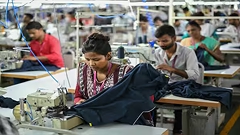
India-UK FTA comes into effect on July 15, offering zero-duty access to Indian exporters. But MSMEs face challenges from China, Bangladesh and Viet Nam as competitiveness, compliance and logistics become key
India’s trade ambitions in the UK are set to enter a new phase on July 15, when the India-UK Comprehensive Economic and Trade Agreement (CETA) comes into effect.
The agreement promises near-zero duty access for Indian exporters, with nearly 99 per cent of India’s exports to Britain set to receive preferential market access. From textiles and leather to gems and jewellery, food processing and engineering goods, several sectors are expected to gain from the removal of tariff barriers.
But for India’s micro, small and medium enterprises (MSMEs), the biggest challenge begins after the tariff cuts.
The question is no longer whether Indian companies can enter the UK market. The question is whether they can compete against established manufacturing hubs such as China, Bangladesh and Viet Nam, which already have strong supply chains and deep relationships with British buyers.
Trade experts say the FTA provides Indian exporters with an opportunity, but tariff reductions alone will not automatically lead to a surge in orders.
Market share remains small
The UK represents a major opportunity for Indian businesses. Britain imported goods worth nearly $929 billion globally in 2025, but India’s share remained limited.
India supplied goods worth around $15 billion to the UK market, accounting for just about 1.6 per cent of Britain’s merchandise imports.
The low market share highlights the potential for growth, but analysts caution that it should not be mistaken for guaranteed export gains.
Indian companies will need to compete on several fronts — pricing, quality, delivery timelines, regulatory compliance and sustainability standards.
India’s merchandise trade with the UK has been steadily expanding. Bilateral goods trade increased to $23.1 billion in FY25 from $21.3 billion a year earlier.
India’s exports to Britain rose from $12.9 billion in FY24 to $14.5 billion in FY25, giving New Delhi a trade surplus of nearly $5.9 billion.
The biggest beneficiaries
The textile and apparel sector is expected to be among the immediate beneficiaries of the agreement.
For years, Indian garment exporters faced a disadvantage in the UK market compared with countries such as Bangladesh, Cambodia and Pakistan, which enjoyed lower tariff access.
The FTA eliminates this gap by allowing Indian textile exports to enter Britain without duties, compared with earlier tariffs that could reach around 12 per cent.
Industry executives believe the move could improve the competitiveness of Indian fashion brands and apparel manufacturers.
However, the advantage will not come automatically.
Global retailers increasingly demand compliance with sustainability norms, ethical sourcing standards, product traceability and faster delivery cycles.
For MSMEs, which form the backbone of India’s textile sector, the ability to meet these requirements could determine whether the FTA becomes a genuine export opportunity or remains largely untapped.
Gems and jewellery sector sees UK opportunity
India’s gems and jewellery industry is another sector looking to benefit from the agreement.
Import duties on Indian jewellery entering the UK have been reduced to zero from around 2.5-4 per cent.
The UK currently imports jewellery worth billions of dollars annually, while India’s jewellery exports to Britain remain relatively modest.
Industry players believe lower duties will help Indian manufacturers compete better in the premium UK market and expand the global footprint of Indian designs.
The agreement could also encourage greater investment and partnerships between Indian jewellery companies and British retailers.
Opportunity comes with compliance challenge
Processed food is another area where India sees significant export potential.
The UK imported processed food products worth around $33 billion in 2025, but India’s contribution remained small.
Indian companies could benefit in categories such as ready-to-eat meals, ethnic foods, sauces, bakery products and seafood.
However, exporters will have to meet strict British food safety and quality requirements.
Unlike tariffs, these regulatory requirements will remain in place after the FTA comes into force.
For smaller exporters, the cost of certifications, testing and maintaining supply-chain traceability could reduce some of the gains from duty elimination.
The bigger challenge
While the FTA removes a tariff disadvantage, Indian exporters will still face intense competition from countries that have built strong positions in global trade.
China remains the world’s largest manufacturing hub, with established supply chains across electronics, machinery and consumer goods.
Bangladesh has become a major player in global apparel exports, while Viet Nam has emerged as a preferred destination for manufacturing companies looking beyond China.
For Indian MSMEs, the challenge will be moving beyond tariff advantages and improving overall competitiveness.
Engineering and auto components see potential, but hurdles remain
Engineering exporters have welcomed the agreement, particularly because the UK is already an important market for Indian manufacturers.
Auto components could also see opportunities as Indian suppliers look to integrate further into global supply chains.
However, companies will have to comply with UK technical regulations, product standards and rules of origin under the agreement.
The automobile sector highlights the broader reality of the FTA — lower tariffs can improve competitiveness, but they cannot replace manufacturing efficiency and global quality standards.
Carbon rules and new barriers
Another challenge for exporters will come from emerging non-tariff barriers.
Environmental regulations, carbon-related measures and sustainability requirements in developed markets could increase compliance costs for Indian companies.
Steel exporters, for instance, may face limited benefits despite tariff concessions because of safeguard measures, import quotas and future carbon-related regulations.
Experts say the government will need to closely monitor how different sectors use the agreement and provide support to smaller exporters.
The real test starts after July 15
The India-UK FTA marks an important step in India’s effort to expand its global trade footprint.
But the agreement does not guarantee export success.
For large companies with established overseas networks, the tariff advantage could immediately improve competitiveness. For smaller manufacturers, however, the journey will depend on whether they can overcome challenges related to certification, logistics, technology and market access.
The FTA has opened the UK market. The next challenge for India is ensuring that its MSMEs are prepared to compete once they enter it.
With inputs from agencies.
Source: Firstpost
Các tin khác
- Asia’s big trade pacts soften damage from Trump tariffs (13/07/2026)
- Protecting Bangladesh’s Golden Fiber: A Strategic Approach To Counter Anti-Dumping Duties – OpEd (13/07/2026)
- Philippines weighs higher rice tariffs on Viet Nam to shield local farmers (13/07/2026)
- “Green lane” opened for fruit and vegetable exports to China (13/07/2026)
- Boosting agricultural exports to the U.S.: Supply chains hold the key (13/07/2026)