Home
Home
 About Us



Florida citrus growers take up dumping with federal agency
05/10/2009 12:00
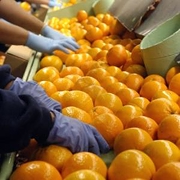
The Florida Citrus Mutual is contemplating its next move in the ongoing issue of underpriced orange juice imported from Brazil.
The state’s largest citrus trade organization says the illegal action of Brazilian orange juice processors reducing prices well below the cost of production, also known as “dumping,” is cutting into Florida growers’ profits.
Now, Florida Citrus Mutual may ask the U.S. Department of Commerce to initiate a full anti-dumping investigation against the latest Brazilian orange juice processor the group says is violating trade law.
Last year, the organization found Brazilian frozen concentrate juice sold for 37 percent less than the cost of production, and not-from-concentrate juice sold at 78 percent less than production costs.
As a result, state growers lost at least $100 million over two crop seasons, according to Florida Citrus Mutual data.
“Not only does it hurt growers, it hurts Florida’s economy,” said Andrew Meadows, spokesman for Florida Citrus Mutual, which represents 8,000 Florida citrus growers. “We’re a $9 billion industry and a potent economic engine in the state of Florida. It hurts Florida’s economy to come in and just dump a product that is so vital to the state.”
In 2005, Florida Citrus Mutual took a dumping case involving four Brazilian orange juice processors to the Department of Commerce. The department found the processors were violating trade law and required them to operate under an anti-dumping order, which charges the companies annual fees to import their product.
In April, Florida Citrus Mutual found a fifth company, Citrovita, was selling orange juice in the United States below its cost of production, and brought it to the attention of the Department of Commerce. Last month, the department said it could not add Citrovita to the current anti-dumping order, prompting Florida Citrus Mutual to consider requesting a separate investigation of the company.
“Florida Citrus Mutual is committed to ensuring that Brazilian juice processors play by the rules and will closely scrutinize public trade records to strengthen our body of evidence against this particular exporter,” said Michael Sparks, executive vice president and chief executive officer of Florida Citrus Mutual.
According to Bradenton Herald archives, Tropicana purchases 40 percent of the state’s crops each year, and supplements with juice imports from Brazil when domestic supplies run low.
Tropicana spokeswoman Jamie Stein did not respond to a phone call nor an e-mail seeking comment.
The Peace River Valley Growers Association, which represents growers in Manatee, Sarasota, Hardee and DeSoto counties, says it hopes there is more regulation directed toward Brazilian processors for dumping.
Last year, Brazil imported 209 million gallons of orange juice priced at about $1.10 a gallon. Shipments of U.S. orange juice cost $2.98 a gallon in 2008.
The state’s largest citrus trade organization says the illegal action of Brazilian orange juice processors reducing prices well below the cost of production, also known as “dumping,” is cutting into Florida growers’ profits.
Now, Florida Citrus Mutual may ask the U.S. Department of Commerce to initiate a full anti-dumping investigation against the latest Brazilian orange juice processor the group says is violating trade law.
Last year, the organization found Brazilian frozen concentrate juice sold for 37 percent less than the cost of production, and not-from-concentrate juice sold at 78 percent less than production costs.
As a result, state growers lost at least $100 million over two crop seasons, according to Florida Citrus Mutual data.
“Not only does it hurt growers, it hurts Florida’s economy,” said Andrew Meadows, spokesman for Florida Citrus Mutual, which represents 8,000 Florida citrus growers. “We’re a $9 billion industry and a potent economic engine in the state of Florida. It hurts Florida’s economy to come in and just dump a product that is so vital to the state.”
In 2005, Florida Citrus Mutual took a dumping case involving four Brazilian orange juice processors to the Department of Commerce. The department found the processors were violating trade law and required them to operate under an anti-dumping order, which charges the companies annual fees to import their product.
In April, Florida Citrus Mutual found a fifth company, Citrovita, was selling orange juice in the United States below its cost of production, and brought it to the attention of the Department of Commerce. Last month, the department said it could not add Citrovita to the current anti-dumping order, prompting Florida Citrus Mutual to consider requesting a separate investigation of the company.
“Florida Citrus Mutual is committed to ensuring that Brazilian juice processors play by the rules and will closely scrutinize public trade records to strengthen our body of evidence against this particular exporter,” said Michael Sparks, executive vice president and chief executive officer of Florida Citrus Mutual.
According to Bradenton Herald archives, Tropicana purchases 40 percent of the state’s crops each year, and supplements with juice imports from Brazil when domestic supplies run low.
Tropicana spokeswoman Jamie Stein did not respond to a phone call nor an e-mail seeking comment.
The Peace River Valley Growers Association, which represents growers in Manatee, Sarasota, Hardee and DeSoto counties, says it hopes there is more regulation directed toward Brazilian processors for dumping.
Last year, Brazil imported 209 million gallons of orange juice priced at about $1.10 a gallon. Shipments of U.S. orange juice cost $2.98 a gallon in 2008.
By GRACE GAGLIANO - gagostin@bradenton.com
Published: Friday, Oct. 02, 2009
Source: www.bradenton.com
Published: Friday, Oct. 02, 2009
Source: www.bradenton.com
Các tin khác
- Rising global shipping costs put pressure on Viet Nam’s seafood exporters (22/06/2026)
- India likely to retain anti-dumping duties on Bangladeshi jute products (22/06/2026)
- Japan slaps anti-dumping duties on Chinese, Taiwanese steel (22/06/2026)
- India initiates anti-dumping probe against a Chinese, Japanese chemical used in tyre, rubber items (22/06/2026)
- Reasons why the US continues to suspend customs clearance for Vietnamese trailers (22/06/2026)