Home
Home
 About Us



Dumping, China, and penalties
14/10/2009 12:00
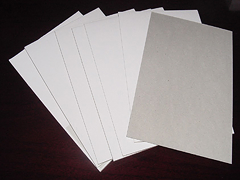
Anti-dumping proceedings were initiated against China and Indonesia last week, alleging that companies from the two countries had been dumping tons of shiny, coated paper (the kind used in car brochures or annual reports) and that imports of the same grew by a whopping 40%. The anti-dumping petition itself seemed to be a massive effort, composed of four separate petitions totaling more than 2,000 pages.
And suspiciously well timed. The petition was made on the eve of the G-20 economic summit in Pittsburgh, designed seemingly to raise tensions between the US and its trading partners, most notably China, which got hit recently with some fairly controversial tariffs on its tire products. China and Indonesia, it must be noted, account for nearly 30% of the US market for coated paper. Nevertheless, Gilbert Kaplan, a Washington based lawyer for the petitioners, denies that the timing was intentional, saying that the preparation for the anti-dumping petition had been going on "for some time."
The petition comes at a moment when discussions on the relative "illegality" of dumping practices and the effectiveness of anti-dumping measures are making the rounds. "Dumping," it must be emphasized, is not illegal per se. Actionable dumping is said to occur whenever any product or article of commerce is imported into a country at an export price less than its normal value in the ordinary course of trade for the like product destined for consumption in the exporting country is causing or is threatening to cause material injury to a domestic industry or materially retarding the establishment of a domestic industry producing the like product. In short, if such dumping is not causing material injury, then such dumping should logically be allowed. As the marvelously mild language of Article VI of the GATT provides, dumping "is to be condemned if it causes or threatens material injury to an established industry in the territory of a contracting party or materially retards the establishment of a domestic industry."
Unfortunately, local legislation, including that of the Philippines, seems to have taken a more hostile attitude toward dumping. Under our laws, apart from the imposition of anti-dumping measures, a definite finding of dumping could also result in penalties upon the relevant government officials and importers found to be dumping. Under the penal provisions, the relevant government officials who fail to prosecute, investigate, and initiate necessary anti-dumping actions shall be punished with dismissal from office. More to this, any failure of any person from the Bureau of Customs to collect the cash bond or definitive dumping duty pursuant to a department order from the relevant secretary (either of the Department of Trade and Industry or of Agriculture) would already constitute prima facie evidence and dereliction of duty, and is punishable by removal from office. Importers found guilty of dumping may have their importer’s licenses revoked and their officers disqualified from holding official positions in corporations of other business entities in the Philippines. A fine equal to twice the anti-dumping duty shall also be imposed on said guilty importers.
The somewhat stringent attitude toward dumping is puzzling when you consider that the reasons for such are not entirely defined and clear. In instances where there seems to be harm to a domestic industry that produce goods similar to that being dumped, it is undeniable that the effect of low prices which is normally associated with dumping certainly redound to the benefit of consumers and end-users of such products. That is why WTO provisions have been clear in stating that any anti-dumping measure shall be applied only under the circumstances provided for under the GATT and the Anti-Dumping Agreement. Thus, the only measures that can be levied are an anti-dumping duty not greater in amount than the margin of dumping in respect of such product.
Based on the above, it would seem that Section 4 of the Anti-Dumping Act (which contains the penal provision) is in apparent violation of the WTO Agreements. Note that Article XVI.4 of the Marrakesh Agreement establishing the WTO states that member countries shall ensure the conformity of their laws and regulations with their obligations as provided in the WTO Agreements.
International jurisprudence supports this contention. It must be considered that the WTO Appellate Body had occasion to rule on the issue of penal provisions in a domestic anti-dumping law. In one case, the Appellate Body examined the propriety of the penal provisions in the US Anti-Dumping Act of 1916. The said US law actually provides for imprisonment and fines, and allows for damages to be recovered equivalent to triple that of the amount of damages actually sustained, including costs. The Appellate Body, citing Article 18.1 of the Anti-Dumping Agreement, found the penalties and damages provisions of the US Act inconsistent with the WTO Agreements.
All in all, considering the "slow burn" type of protectionism going around, it would be interesting how these new anti-dumping petitions would turn out.
And suspiciously well timed. The petition was made on the eve of the G-20 economic summit in Pittsburgh, designed seemingly to raise tensions between the US and its trading partners, most notably China, which got hit recently with some fairly controversial tariffs on its tire products. China and Indonesia, it must be noted, account for nearly 30% of the US market for coated paper. Nevertheless, Gilbert Kaplan, a Washington based lawyer for the petitioners, denies that the timing was intentional, saying that the preparation for the anti-dumping petition had been going on "for some time."
The petition comes at a moment when discussions on the relative "illegality" of dumping practices and the effectiveness of anti-dumping measures are making the rounds. "Dumping," it must be emphasized, is not illegal per se. Actionable dumping is said to occur whenever any product or article of commerce is imported into a country at an export price less than its normal value in the ordinary course of trade for the like product destined for consumption in the exporting country is causing or is threatening to cause material injury to a domestic industry or materially retarding the establishment of a domestic industry producing the like product. In short, if such dumping is not causing material injury, then such dumping should logically be allowed. As the marvelously mild language of Article VI of the GATT provides, dumping "is to be condemned if it causes or threatens material injury to an established industry in the territory of a contracting party or materially retards the establishment of a domestic industry."
Unfortunately, local legislation, including that of the Philippines, seems to have taken a more hostile attitude toward dumping. Under our laws, apart from the imposition of anti-dumping measures, a definite finding of dumping could also result in penalties upon the relevant government officials and importers found to be dumping. Under the penal provisions, the relevant government officials who fail to prosecute, investigate, and initiate necessary anti-dumping actions shall be punished with dismissal from office. More to this, any failure of any person from the Bureau of Customs to collect the cash bond or definitive dumping duty pursuant to a department order from the relevant secretary (either of the Department of Trade and Industry or of Agriculture) would already constitute prima facie evidence and dereliction of duty, and is punishable by removal from office. Importers found guilty of dumping may have their importer’s licenses revoked and their officers disqualified from holding official positions in corporations of other business entities in the Philippines. A fine equal to twice the anti-dumping duty shall also be imposed on said guilty importers.
The somewhat stringent attitude toward dumping is puzzling when you consider that the reasons for such are not entirely defined and clear. In instances where there seems to be harm to a domestic industry that produce goods similar to that being dumped, it is undeniable that the effect of low prices which is normally associated with dumping certainly redound to the benefit of consumers and end-users of such products. That is why WTO provisions have been clear in stating that any anti-dumping measure shall be applied only under the circumstances provided for under the GATT and the Anti-Dumping Agreement. Thus, the only measures that can be levied are an anti-dumping duty not greater in amount than the margin of dumping in respect of such product.
Based on the above, it would seem that Section 4 of the Anti-Dumping Act (which contains the penal provision) is in apparent violation of the WTO Agreements. Note that Article XVI.4 of the Marrakesh Agreement establishing the WTO states that member countries shall ensure the conformity of their laws and regulations with their obligations as provided in the WTO Agreements.
International jurisprudence supports this contention. It must be considered that the WTO Appellate Body had occasion to rule on the issue of penal provisions in a domestic anti-dumping law. In one case, the Appellate Body examined the propriety of the penal provisions in the US Anti-Dumping Act of 1916. The said US law actually provides for imprisonment and fines, and allows for damages to be recovered equivalent to triple that of the amount of damages actually sustained, including costs. The Appellate Body, citing Article 18.1 of the Anti-Dumping Agreement, found the penalties and damages provisions of the US Act inconsistent with the WTO Agreements.
All in all, considering the "slow burn" type of protectionism going around, it would be interesting how these new anti-dumping petitions would turn out.
Trade Tripper
By Jemy Gatdula
Contact: jemygatdula@yahoo.com. Visit my blog at www.jemygatdula.blogspot.com
Friday, October 9, 2009 | MANILA, PHILIPPINES
Source: www.bworldonline.com
By Jemy Gatdula
Contact: jemygatdula@yahoo.com. Visit my blog at www.jemygatdula.blogspot.com
Friday, October 9, 2009 | MANILA, PHILIPPINES
Source: www.bworldonline.com
Các tin khác
- Rising global shipping costs put pressure on Viet Nam’s seafood exporters (22/06/2026)
- India likely to retain anti-dumping duties on Bangladeshi jute products (22/06/2026)
- Japan slaps anti-dumping duties on Chinese, Taiwanese steel (22/06/2026)
- India initiates anti-dumping probe against a Chinese, Japanese chemical used in tyre, rubber items (22/06/2026)
- Reasons why the US continues to suspend customs clearance for Vietnamese trailers (22/06/2026)