Home
Home
 About Us



Court ruling backs antidumping petitioners
21/05/2010 12:00
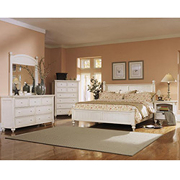
WASHINGTON — A decision by the Supreme Court not to hear a case challenging the Byrd Amendment could mean that millions of dollars now held up by the U.S. government will be distributed to the petitioners supporting the antidumping case involving Chinese-made wood bedroom furniture.
Several companies that didn't initially support the antidumping case -including Ashley Furniture, Ethan Allen, Furniture Brands International, Kimball Furniture, Orleans Furniture, Solid Comfort and Standard Furniture - had filed suit to collect millions of dollars in duties paid on imported Chinese-made bedrooms since 2004, when the duties took effect. At least $60 million is believed to be at stake.
Under a U.S. trade law provision called the Byrd Amendment, funds collected from antidumping duties paid by importers of the Chinese furniture were distributed to the companies that supported the antidumping case, primarily U.S. furniture manufacturers.
Furniture Brands and the other manufacturers were awaiting a decision on a case involving ball bearings producer SKF USA Inc.
That company had argued that under free speech laws, a manufacturer that also was affected by imports shouldn't be required to have supported an antidumping petition in order to receive a portion of the duties collected.
The U.S. Court of Appeals had ruled against SKF, and the company was hoping to have the case heard by the Supreme Court. But the high court has decided not to hear the case, the St. Louis Post-Dispatch reported.
It's unclear if SKF and the furniture producers can pursue the case any further. If not, the duties that have been held up for distribution by U.S. Customs and Border Protection would be distributed to the petitioners.
In 2003, these petitioners sought an investigation into whether the domestic wood furniture industry was injured by unfairly priced bedroom imports from China. The International Trade Commission determined the industry was injured through mass layoffs caused by unfair competition.
That in turn resulted in the imposition of duties on Chinese made wood bedrooms. Those duties, which have been in effect since June 2004, are paid by importers of record who purchase from certain Chinese bedroom producers.
Several companies that didn't initially support the antidumping case -including Ashley Furniture, Ethan Allen, Furniture Brands International, Kimball Furniture, Orleans Furniture, Solid Comfort and Standard Furniture - had filed suit to collect millions of dollars in duties paid on imported Chinese-made bedrooms since 2004, when the duties took effect. At least $60 million is believed to be at stake.
Under a U.S. trade law provision called the Byrd Amendment, funds collected from antidumping duties paid by importers of the Chinese furniture were distributed to the companies that supported the antidumping case, primarily U.S. furniture manufacturers.
Furniture Brands and the other manufacturers were awaiting a decision on a case involving ball bearings producer SKF USA Inc.
That company had argued that under free speech laws, a manufacturer that also was affected by imports shouldn't be required to have supported an antidumping petition in order to receive a portion of the duties collected.
The U.S. Court of Appeals had ruled against SKF, and the company was hoping to have the case heard by the Supreme Court. But the high court has decided not to hear the case, the St. Louis Post-Dispatch reported.
It's unclear if SKF and the furniture producers can pursue the case any further. If not, the duties that have been held up for distribution by U.S. Customs and Border Protection would be distributed to the petitioners.
In 2003, these petitioners sought an investigation into whether the domestic wood furniture industry was injured by unfairly priced bedroom imports from China. The International Trade Commission determined the industry was injured through mass layoffs caused by unfair competition.
That in turn resulted in the imposition of duties on Chinese made wood bedrooms. Those duties, which have been in effect since June 2004, are paid by importers of record who purchase from certain Chinese bedroom producers.
Thomas Russell -- Furniture Today, May 18, 2010
Source: www.furnituretoday.com
Source: www.furnituretoday.com
Các tin khác
- Following the imposition of the highest tariff of 37.13%, the Ministry of Industry and Trade is reviewing galvanized steel from China (19/06/2026)
- Official tariffs have been imposed on colorless float glass imported from Indonesia and Malaysia (19/06/2026)
- India seeks to continue anti-dumping duties on Bangladesh’s jute products (19/06/2026)
- Turkey Initiates Anti-Dumping Investigation into Polyester Cord Fabric from Viet Nam (19/06/2026)
- Chinese dumping in Brazil affected the entire garlic supply chain (19/06/2026)