Home
Home
 About Us



China-India trade war looms
17/02/2009 12:00
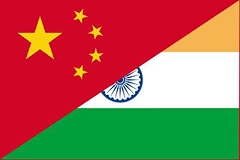
India has fired the first shot in what some are predicting will become a long and bloody trade war with its giant Asian rival China.
New Delhi has launched 17 investigations into imports from China, 10 of which are anti-dumping probes, and has banned the importation of Chinese-made toys for six months alleging their high content of toxic chemicals is a danger to children.
In a responding volley last week, China's Ministry of Commerce said it is considering appealing to the World Trade Organization, claiming India is imposing unfair trade restrictions.
In a statement, the ministry warned India's actions -- which have imposed import restrictions on goods worth $2 billion and included textiles, steel and petrochemicals as well as toys -- could seriously affect bilateral trade, which grew by 33 per cent last year to nearly $60 billion.
This is small change compared with, for example, China's $450-billion two-way trade with Europe. But the global recession has heightened government and business sensitivities to even the slightest hint of unfairness, especially in industries where both have strong -- and politically influential -- domestic industries such as textiles, steel and petrochemical products.
There's a good deal of bluff and bluster on both sides in this row, with the Indians trying to portray themselves as the sophisticates repulsed by anyone who would poison children to makes profits. China, meanwhile, is representing itself as the responsible stakeholder who can be trusted by its WTO partners to play by the rules, even in tough times.
Neither portrait fits, of course, and both are tactical ploys stemming from the inevitable rivalry of two massive countries -- each with a billion people and at comparable stages of development -- sitting on each other's doorstep.
Indian officials and consumer advocacy groups such as Toxic Link were collecting data on imported Chinese toys even before the August 2007 recall by U.S. toy giant Mattel of Chinese-made toys containing excessive poisonous lead and dangerous magnets.
According to research by Toxic Link, the Chinese toys being sold in India contained far higher levels of lead and cadmium in paints than those found in the Mattel toys.
The All India Toy Manufacturers Association says that, as a result of this report, the Indian government started tracking Chinese imports and found they didn't meet Indian safety standards.
But no action was taken because, two years ago, Chinese toys cornered a relatively small part of the Indian market, according to the manufacturers' association.
Since then, however, Chinese toys have grabbed 70 per cent of the Indian market, to the tune of about $400 million a year.
The story, of course, is not that simple.
Indian importers of Chinese toys have played a role in the drama. They are reported to have demanded cheaper and cheaper prices from their Chinese suppliers so they could corner more of the Indian market.
This apparently prompted the Chinese manufacturers to use cheaper and more toxic raw materials to meet the Indian importers' price demands.
An interesting sidelight reported by the UPI news agency last week is that there is a big business in smuggling Chinese-made mobile phones into India. This, apparently, is often done by hiding the real phones in cartons of very cheap and toxic toy phones, which then get sold into the toy market.
It remains a moot point whether the six-month ban on importing Chinese toys was truly set off by health worries or to protect the domestic industry from competition.
Indian toy manufacturers have certainly welcomed the ban on Chinese imports, saying it will give them a chance to reclaim market share. But it looks as though that may not be plain sailing.
The Toxic Link studies found that Indian-made toys are just as hazardous as their Chinese competitors.
What has received less publicity is that the Indian government is using this six months to draw up new safety standards for toys, using the European Union's tough 11-point checklist.
These standards will be applied to locally made toys as well as imports, and optimistic manufacturers are saying this will allow Indian toys to be competitive on the world market.
New Delhi has launched 17 investigations into imports from China, 10 of which are anti-dumping probes, and has banned the importation of Chinese-made toys for six months alleging their high content of toxic chemicals is a danger to children.
In a responding volley last week, China's Ministry of Commerce said it is considering appealing to the World Trade Organization, claiming India is imposing unfair trade restrictions.
In a statement, the ministry warned India's actions -- which have imposed import restrictions on goods worth $2 billion and included textiles, steel and petrochemicals as well as toys -- could seriously affect bilateral trade, which grew by 33 per cent last year to nearly $60 billion.
This is small change compared with, for example, China's $450-billion two-way trade with Europe. But the global recession has heightened government and business sensitivities to even the slightest hint of unfairness, especially in industries where both have strong -- and politically influential -- domestic industries such as textiles, steel and petrochemical products.
There's a good deal of bluff and bluster on both sides in this row, with the Indians trying to portray themselves as the sophisticates repulsed by anyone who would poison children to makes profits. China, meanwhile, is representing itself as the responsible stakeholder who can be trusted by its WTO partners to play by the rules, even in tough times.
Neither portrait fits, of course, and both are tactical ploys stemming from the inevitable rivalry of two massive countries -- each with a billion people and at comparable stages of development -- sitting on each other's doorstep.
Indian officials and consumer advocacy groups such as Toxic Link were collecting data on imported Chinese toys even before the August 2007 recall by U.S. toy giant Mattel of Chinese-made toys containing excessive poisonous lead and dangerous magnets.
According to research by Toxic Link, the Chinese toys being sold in India contained far higher levels of lead and cadmium in paints than those found in the Mattel toys.
The All India Toy Manufacturers Association says that, as a result of this report, the Indian government started tracking Chinese imports and found they didn't meet Indian safety standards.
But no action was taken because, two years ago, Chinese toys cornered a relatively small part of the Indian market, according to the manufacturers' association.
Since then, however, Chinese toys have grabbed 70 per cent of the Indian market, to the tune of about $400 million a year.
The story, of course, is not that simple.
Indian importers of Chinese toys have played a role in the drama. They are reported to have demanded cheaper and cheaper prices from their Chinese suppliers so they could corner more of the Indian market.
This apparently prompted the Chinese manufacturers to use cheaper and more toxic raw materials to meet the Indian importers' price demands.
An interesting sidelight reported by the UPI news agency last week is that there is a big business in smuggling Chinese-made mobile phones into India. This, apparently, is often done by hiding the real phones in cartons of very cheap and toxic toy phones, which then get sold into the toy market.
It remains a moot point whether the six-month ban on importing Chinese toys was truly set off by health worries or to protect the domestic industry from competition.
Indian toy manufacturers have certainly welcomed the ban on Chinese imports, saying it will give them a chance to reclaim market share. But it looks as though that may not be plain sailing.
The Toxic Link studies found that Indian-made toys are just as hazardous as their Chinese competitors.
What has received less publicity is that the Indian government is using this six months to draw up new safety standards for toys, using the European Union's tough 11-point checklist.
These standards will be applied to locally made toys as well as imports, and optimistic manufacturers are saying this will allow Indian toys to be competitive on the world market.
jmanthorpe@vancouversun.com
Jonathan Manthorpe, Vancouver Sun
Published: Monday, February 16, 2009
Source: www2.canada.com
Jonathan Manthorpe, Vancouver Sun
Published: Monday, February 16, 2009
Source: www2.canada.com
Các tin khác
- Rising global shipping costs put pressure on Viet Nam’s seafood exporters (22/06/2026)
- India likely to retain anti-dumping duties on Bangladeshi jute products (22/06/2026)
- Japan slaps anti-dumping duties on Chinese, Taiwanese steel (22/06/2026)
- India initiates anti-dumping probe against a Chinese, Japanese chemical used in tyre, rubber items (22/06/2026)
- Reasons why the US continues to suspend customs clearance for Vietnamese trailers (22/06/2026)