Home
Home
 About Us


Vietnamese spices leverage US zero-tariff advantage
12/01/2026 04:38
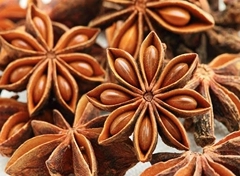
The United States’ exemption from reciprocal tariffs on a wide range of spices gives Vietnamese exporters a stronger competitive edge over suppliers previously not covered by such preferences, while also lowering import costs for US distributors.
The exemption helps expand market access, improves the chances of securing new contracts and contributes to greater outlet stability for Viet Nam’s pepper and spice shipments in 2026.
The measure also creates room to widen market share, reinforce commercial ties with US partners and open opportunities for exporters to scale up shipments, renegotiate prices or adjust output in line with additional demand from the US market.
According to the American Spice Trade Association (ASTA), citing its document “Reciprocal Tariff Exemptions for Spices – FAQs” released on November 20, 2025, the US Government has announced updated tariff arrangements covering spices, including pepper and several key Vietnamese export products.
A number of spice items have been shifted from Annex III to Annex II and are now fully exempt from reciprocal tariffs. These include tariff lines related to pepper, dried chili, paprika, vanilla, cinnamon, ginger, cloves, nutmeg, cardamom, turmeric, coriander and cumin, among others. Products listed under Annex II are no longer subject to reciprocal duties when entering the US market, with the applicable rate set at 0% for all countries, regardless of trade agreements.
Most items under Chapter 9, along with part of Chapter 12 (poppy seeds), now fall within the duty-free category. This group plays an important role in the global spice supply chain and accounts for a sizeable share of Viet Nam’s export turnover.
Tran Van Hieu, Director of the Development of Agriculture and Consulting for Environment Co., Ltd. (DACE), said US tariff developments since mid-2025 had caused a mild shock for agricultural producers, including spice manufacturers. Conditions began to stabilize around July-August 2025, as expectations emerged that tariffs could revert to the 0% level. Earlier in the year, many companies had accelerated order fulfillment and renegotiated arrangements with partners to share potential tariff risks.
Meanwhile, Nguyen Thi Thu Ha, full-time Impact Finance Consultant for the Rabo Foundation in Viet Nam also stated that spices, particularly organic products, stand to gain from the 0% tariff rate. She cautioned, however, that Vietnamese producers need to further reinforce supply chains, improve production transparency and strengthen traceability systems in order to meet origin requirements and raise export quality standards.
Source: VOV
Các tin khác
- U.S. to Impose Duties on Mexican, Thai, Vietnamese Chassis (03/06/2026)
- Mexican sugar producers push to scrap U.S. import quotas (03/06/2026)
- Japan launched an anti-dumping investigation into flat steel imports from three countries (03/06/2026)
- Eurochem challenges anti-dumping duties in the EU (03/06/2026)
- Pangasius prices in Viet Nam surge due to high export demand (03/06/2026)