Home
Home
 About Us


Korean Companies' Anti-dumping Petitions Against China Increases Sharply This Year
12/11/2024 04:16
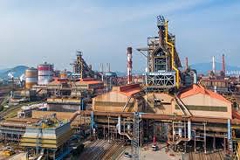
Hyundai Steel announced during its earnings conference call on Oct. 25 that it is considering filing an anti-dumping petition against hot-rolled steel sheets following the one against Chinese thick plates. This announcement comes amid a significant increase in anti-dumping petitions filed by Korean companies against Chinese firms, reflecting growing concerns over unfair trade practices and their impact on domestic industries.
According to the Trade Commission of the Ministry of Trade, Industry and Energy, the number of anti-dumping petitions filed by Korean companies against China from January to October this year totaled seven, already surpassing last year's four cases. This surge in petitions is expected to reach its highest level in 10 years, highlighting the escalating trade tensions between the two countries.
The backdrop to this development includes China's uncertain 5% growth this year, which has led the country to offload its accumulated inventory due to domestic market stagnation. This offloading has exacerbated the global oversupply problem, with surplus products being exported to Korea, Europe, and Southeast Asia. The situation is further complicated by U.S. President Donald Trump's warning of imposing a 60% high tariff on Chinese products, which could result in surplus Chinese goods flooding other markets, including Korea, thereby harming local industries.
Hyundai Steel's consideration of filing an anti-dumping petition is part of a broader trend among Korean companies seeking protection against what they perceive as unfair competition from Chinese firms.
The increase in anti-dumping petitions is not unprecedented. In 2002, the highest number of such petitions was recorded at 11, right after China joined the World Trade Organization (WTO). Similarly, in 2014, there were eight anti-dumping petitions against China, coinciding with the substantial declaration of the Korea-China Free Trade Agreement (FTA).
The Korean government has decided to actively respond to these challenges by enhancing the effectiveness of the anti-dumping system, which serves as a safety net for domestic industries. From next year, the investigation procedures for circumvention dumping, which aims to evade anti-dumping duties, will be shortened by up to four months. "The Trade Commission has also established a legal basis to conduct ex officio investigations on circumvention dumping," a Trade Commission official confirmed.
The role of the Trade Commission of the Ministry of Trade, Industry and Energy is crucial in investigating and addressing anti-dumping cases. The government's efforts to enhance the anti-dumping system and shorten investigation procedures are part of its strategy to protect domestic industries from the adverse effects of global oversupply and aggressive export strategies by foreign competitors.
As the year progresses, the number of anti-dumping investigation requests filed by Korean companies against Chinese firms is expected to continue rising, reflecting the ongoing challenges faced by key manufacturing industries in South Korea, such as steel and petrochemicals. The government's proactive measures aim to provide a robust defense mechanism to safeguard these industries from unfair trade practices and ensure a level playing field in the global market.
Source: Business Korea
Các tin khác
- U.S. to Impose Duties on Mexican, Thai, Vietnamese Chassis (03/06/2026)
- Mexican sugar producers push to scrap U.S. import quotas (03/06/2026)
- Japan launched an anti-dumping investigation into flat steel imports from three countries (03/06/2026)
- Eurochem challenges anti-dumping duties in the EU (03/06/2026)
- Pangasius prices in Viet Nam surge due to high export demand (03/06/2026)