Home
Home
 About Us



India imposes anti-dumping duty on imports of clear float glass from Malaysia
13/11/2020 12:00
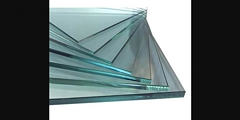
"The anti-dumping duty imposed under this notification shall be effective for a period of five years (unless revoked, superseded or amended earlier)...and shall be paid in Indian currency," the department of revenue has said in a notification.
India has imposed anti-dumping duty on clear float glass, used in automobiles and refrigeration industries, from Malaysia for five years with an aim to guard domestic industry from cheap imports. The duty was imposed after a recommendation was made by the commerce ministry’s investigation arm Directorate General of Trade Remedies (DGTR).
“The anti-dumping duty imposed under this notification shall be effective for a period of five years (unless revoked, superseded or amended earlier)…and shall be paid in Indian currency,” the department of revenue has said in a notification.
While DGTR recommends the duty, the finance ministry takes the final call to impose the same. The duty imposed is in the range of USD 273 per tonne to USD 326 per tonne. The glass has major uses in construction, refrigeration, mirror and automobile industries. It is a superior quality of glass.
Malaysia is a key trading partner of India in the Southeast Asian region. In international trade parlance, dumping happens when a country or a firm exports an item at a price lower than the price of that product in its domestic market.
Dumping impacts the price of that product in the exporting country, hitting margins and profits of manufacturing firms.
According to global trade norms, a country is allowed to impose tariffs on such dumped products to provide a level-playing field to domestic manufacturers. The duty is imposed only after a thorough investigation by a quasi-judicial body, such as DGTR, in India.
In its probe, the directorate has to conclude whether the dumped products are impacting domestic industries.
The duty is aimed at ensuring fair trading practices and creating a level-playing field for domestic producers vis-a-vis foreign producers and exporters.
India has imposed anti-dumping duty on clear float glass, used in automobiles and refrigeration industries, from Malaysia for five years with an aim to guard domestic industry from cheap imports. The duty was imposed after a recommendation was made by the commerce ministry’s investigation arm Directorate General of Trade Remedies (DGTR).
“The anti-dumping duty imposed under this notification shall be effective for a period of five years (unless revoked, superseded or amended earlier)…and shall be paid in Indian currency,” the department of revenue has said in a notification.
While DGTR recommends the duty, the finance ministry takes the final call to impose the same. The duty imposed is in the range of USD 273 per tonne to USD 326 per tonne. The glass has major uses in construction, refrigeration, mirror and automobile industries. It is a superior quality of glass.
Malaysia is a key trading partner of India in the Southeast Asian region. In international trade parlance, dumping happens when a country or a firm exports an item at a price lower than the price of that product in its domestic market.
Dumping impacts the price of that product in the exporting country, hitting margins and profits of manufacturing firms.
According to global trade norms, a country is allowed to impose tariffs on such dumped products to provide a level-playing field to domestic manufacturers. The duty is imposed only after a thorough investigation by a quasi-judicial body, such as DGTR, in India.
In its probe, the directorate has to conclude whether the dumped products are impacting domestic industries.
The duty is aimed at ensuring fair trading practices and creating a level-playing field for domestic producers vis-a-vis foreign producers and exporters.
Source: Financial Express
Các tin khác
- Anti-dumping measures on steel remained a common tool in 2025 – OECD (08/06/2026)
- Exporters urged to enhance traceability in response to proposed US tariffs (08/06/2026)
- Viet Nam’s early-season fresh lychees win over the US market (08/06/2026)
- New challenges for export businesses (08/06/2026)
- Tariff risks push Viet Nam to post record deficit (08/06/2026)