Home
Home
 About Us


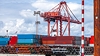
Import, export, and logistics costs have increased due to the impact of the Middle East conflict.
25/03/2026 03:19
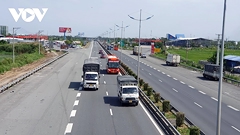
The Middle East conflict, which has led to soaring freight costs, extended shipping times, and the risk of order delays, is posing significant challenges for the import-export and logistics business community.
Conflict in the Middle East is creating increasing cost pressures on international supply chains and transportation operations. Disruptions to shipping routes, changes in itineraries, increased surcharges, and adjustments to insurance conditions are creating significant challenges for import-export and logistics businesses.
Risk of commercial disputes arising
The most direct impact of the Middle East conflict on the textile and garment industry today is the sharp increase in logistics costs, as international shipping routes are forced to change to avoid risky areas. Ms. Nguyen Thi Tuyet Mai, Deputy Secretary General of the Viet Nam Textile and Garment Association (VITAS), reported that shipping times for orders are extended by 2-3 weeks, leading to increased warehousing costs, capital costs, and the risk of contract breaches.
"In a fiercely competitive environment, even a slight delay can damage a business's reputation, or even lead to orders being cut or transferred. Rising fuel prices are driving up domestic operating costs, creating a double burden for domestic logistics throughout the entire production-export chain," Ms. Mai assessed.
Due to increased security risks, many shipping companies have now changed their routes to bypass South Africa instead of the Suez Canal. According to Mr. Nguyen Tuan Viet, General Director of VIETGO, this route change has two direct consequences. The extended shipping distance results in an additional delivery time of approximately 20-25 days.
“Previously, a shipment from Viet Nam to Europe took about 25 days, but now it can take nearly 50 days. At the same time, sea freight costs have increased sharply; shipping rates are now 2-3 times higher than normal due to the risk of war and rising fuel prices. This extended shipping time is particularly disadvantageous for fresh agricultural products. Items like bananas or dragon fruit, which have a maximum shelf life of about 35 days, will find it very difficult to ensure quality upon arrival at the destination port,” Mr. Viet stated.
The Middle East, and particularly the UAE, is one of the region's important trading hubs, serving as a transit gateway for goods to many other markets such as Africa, South Asia, and Europe. Therefore, when the regional security situation fluctuates, supply chains and trade flows are also affected.
Mr. Truong Xuan Trung, Head of the Vietnamese Trade Office in the UAE, stated that regional conflicts are putting significant pressure on transportation and logistics activities, thereby having a certain impact on export businesses. In addition to issues related to transportation and logistics, businesses need to pay attention to risks arising from volatile market conditions. Export businesses should proactively monitor market developments, update logistics information, and adjust delivery plans accordingly.
“Some shipments had been exported before the conflict occurred, but deliveries have been disrupted, leading to the risk of trade disputes or delayed payments. For fresh agricultural products, extended shipping times can reduce product quality. In addition, businesses also need to be aware of payment risks when goods delivery is interrupted,” Mr. Trung advised.
Long-term risk prevention
Recognizing the significant impact of logistics on import and export activities, the Viet Nam Logistics Business Association (VLA) points out that tensions in the Middle East are creating three major risks for Vietnamese businesses: energy, logistics, and exchange rates. Specifically, according to Mr. Ngo Khac Le, Deputy Secretary General of the VLA, the risk of disruption to strategic shipping routes could lead to increased oil and fuel prices, resulting in escalating transportation costs.
Furthermore, shipping companies may reroute shipments, apply surcharges, or extend transit times, increasing logistics costs and impacting businesses' delivery schedules. In addition, amidst geopoliticalinstability, the US dollar tends to strengthen, exposing importing businesses to exchange rate risks as a significant portion of international freight, fuel, and insurance costs are paid in USD.
Agricultural products for export struggle to maintain quality during prolonged transportation.
Amid concerns about potential supply chain disruptions spreading to many international shipping routes, Mr. Le recommended that businesses proactively develop long-term risk mitigation measures. Businesses should reassess their shipping contracts and bills of lading, especially clauses related to war or provisions allowing ships to deviate from their planned routes.
“In addition, businesses need to strengthen insurance for their logistics chain, considering expanding insurance coverage for risks arising from geopolitical instability. Another important solution is to diversify shipping routes and transshipment ports, avoiding complete dependence on a single route or shipping company. A scenario that businesses need to pay particular attention to is the situation where a shipping company terminates a voyage and unloads goods at an unplanned port in the event of war or maritime security risks. In that case, businesses face many additional costs such as container demurrage, warehousing, reshipping, or even finding new markets.”
According to many experts, in the current context, Vietnamese import-export and logistics businesses need to closely monitor market developments, anticipate costs, and proactively manage risks in transportation and trade contracts. To minimize risks, businesses need to carefully review the terms of transportation contracts and cargo insurance, and develop contingency logistics plans. At the same time, diversifying transportation routes, transshipment ports, and consumer markets is also an important solution to reduce dependence on a single route or market.
Source: VOV
Các tin khác
- U.S. to Impose Duties on Mexican, Thai, Vietnamese Chassis (03/06/2026)
- Mexican sugar producers push to scrap U.S. import quotas (03/06/2026)
- Japan launched an anti-dumping investigation into flat steel imports from three countries (03/06/2026)
- Eurochem challenges anti-dumping duties in the EU (03/06/2026)
- Pangasius prices in Viet Nam surge due to high export demand (03/06/2026)