Home
Home
 About Us



China-India spat shows no sign of slowing as Beijing extends anti-dumping tariff on Indian fibre optic product
17/08/2020 12:00
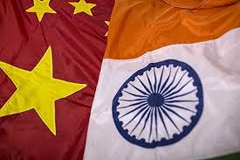
A low-level trade conflict between India and China shows no sign of slowing, with New Delhi stepping up action against Chinese imports over the past three months and Beijing on Thursday extending an anti-dumping duty on an Indian fibre optic product.
A review of India’s anti-dumping database shows authorities have increased the number of investigations into Chinese imports and imposed new duties on products following a border skirmish in June, which resulted in the deaths of 20 Indian soldiers and prompted local campaigns to boycott Chinese goods.
India has initiated two fresh anti-dumping and countervailing investigations against Chinese “natural mica pearl industries pigments”, which are used to provide a frosting effect in paint and cosmetics, and against viscose rayon filament yarn used in clothing.
In July, India also renewed a safeguard tax of 14.5 per cent on solar photovoltaic cells from China, Thailand and Vietnam to protect domestic manufacturers. Early this month it made a preliminary anti-dumping ruling against Chinese made polyethylene terephthalate resin.
China on Thursday extended a 2014 tariff on an Indian optical fibre five years in its first trade action since the skirmish.
Although economists say the anti-dumping procedures are in line with World Trade Organisation (WTO) rules and a multitide of other prior procedures, their use since the border incident has left the impression that India, in particular, is using legal trade practices to target Chinese imports.
The relatively arcane trade dispute over optical fibre, which is used in telecommunications networks and cable television, also speaks to global oversupply and the effort that China has made to protect its domestic manufacturers.
China has imposed similar anti-dumping duties on imports from the United States, the European Union, Japan and South Korea since 2005.
Since September, India has also carried out safeguard investigations into the sudden increase in optical fibre imports – including from China – between 2018-19, following a joint complaint by Indian manufacturers Sterlite Technologies and Birla Furukawa Fibre Optics.
Safeguard investigations can lead to a temporary ban or duties to “safeguard” local markets.
India has seen an influx of fibre optic product because of global oversupply, largely driven by China, an Indian government trade panel said in preliminary findings in November.
“The Chinese market, which is the biggest consumer and producer of optic fibres, is facing a slump caused by overcapacity and lower domestic demand. Moreover, China-made fibre is not approved for use by major telecom operators in many western countries including the USA and most of Europe,” the Indian Directorate of Trade Remedies said.
“Therefore, the Chinese manufacturers have a restricted international market and are forced to offload their production in nearby growing markets.
“Further, China has imposed anti-dumping duty against most of the optic fibre manufacturing countries including India, Japan and the USA. Consequently, the Chinese market, which is the biggest consumer of [optic fibre] has become unviable for exporters from other countries.”
The panel has recommended a provisional safeguard duty of 25 per cent, with the investigation likely to end later this month.
Since the border clash, there have been calls in India to impose tariffs on hundreds of Chinese goods, including electronics and household items, in addition to bans on Chinese apps Tiktok, WeChat and Mi Browser Pro on security grounds.
Last year, China lost a fight at the WTO over its claim to be a market economy, meaning Beijing must continue to accept anti-dumping levies imposed by other countries, including India.
Without market economy status, trading partners can use third-party prices rather than Chinese domestic prices to determine if Chinese goods have been dumped in foreign markets at lower prices.
Jingdong Yuan, an Asia-Pacific security expert from the University of Sydney, said India cannot expect to inflict any real pain on China using trade as a weapon given its dependence on Chinese goods.
“Unless India is able to come up with alternative sources of consumer goods that are accountable for the [bilateral trade] deficit, either through indigenous manufacturing or third-party suppliers, India trying to weaponise the trade issue is likely to also hurt itself,” said Jingdong.
“For China, the loss of trade and other commercial benefits would be felt more by specific Chinese companies. But for the country as a whole, its impact would be minimal.”
Boycotting goods and economic decoupling is more a populist reaction than a rational economic choice, said Richard Hu, international political economy expert at the University of Hong Kong.
“While the border issue and regional security rivalry may not find an easy way out … Beijing and New Delhi can and should find more areas of cooperation on non-traditional security issues,” he said.
Imposition of new tariffs against Chinese goods would be easier since China lost its fight at the WTO over its claim to be a market economy, meaning Beijing must continue to accept anti-dumping levies imposed by EU and potentially other countries.
Without “market economy” status, foreign countries can use third-party prices rather than Chinese domestic prices to determine if Chinese goods have been dumped in foreign markets at a lower prices than at home.
But economists raised doubts on whether India would succeed in “weaponising” trade against China like the US, given its dependence on Chinese goods.
“Unless India is able to come up with alternative sources of consumer goods that are accountable for the [bilateral trade] deficit, either through indigenous manufacturing or third-party suppliers, Indian trying to weaponise the trade issue is likely to also hurt itself,” University of Sydney’s Asia-Pacific security expert Jingdong Yuan said.
“For China, the loss of trade and other commercial benefits (eg with Tiktok) would be felt more by specific Chinese companies but for the country as a whole, its impact would be minimal. In a nutshell, Indian cannot expect to inflict any real pain on China using trade as a weapon.”
Boycotting goods and economic decoupling is more a populist reaction than a rational economic choice, said Richard Hu, international political economy expert at the University of Hong Kong.
“While the border issue and regional security rivalry may not find an easy way out, it should not impede the leaders of the two countries from expanding the areas of cooperation and building up strategic trust … Beijing and New Delhi can and should find more areas of cooperation on non-traditional security issues,” he said.
A review of India’s anti-dumping database shows authorities have increased the number of investigations into Chinese imports and imposed new duties on products following a border skirmish in June, which resulted in the deaths of 20 Indian soldiers and prompted local campaigns to boycott Chinese goods.
India has initiated two fresh anti-dumping and countervailing investigations against Chinese “natural mica pearl industries pigments”, which are used to provide a frosting effect in paint and cosmetics, and against viscose rayon filament yarn used in clothing.
In July, India also renewed a safeguard tax of 14.5 per cent on solar photovoltaic cells from China, Thailand and Vietnam to protect domestic manufacturers. Early this month it made a preliminary anti-dumping ruling against Chinese made polyethylene terephthalate resin.
China on Thursday extended a 2014 tariff on an Indian optical fibre five years in its first trade action since the skirmish.
Although economists say the anti-dumping procedures are in line with World Trade Organisation (WTO) rules and a multitide of other prior procedures, their use since the border incident has left the impression that India, in particular, is using legal trade practices to target Chinese imports.
The relatively arcane trade dispute over optical fibre, which is used in telecommunications networks and cable television, also speaks to global oversupply and the effort that China has made to protect its domestic manufacturers.
China has imposed similar anti-dumping duties on imports from the United States, the European Union, Japan and South Korea since 2005.
Since September, India has also carried out safeguard investigations into the sudden increase in optical fibre imports – including from China – between 2018-19, following a joint complaint by Indian manufacturers Sterlite Technologies and Birla Furukawa Fibre Optics.
Safeguard investigations can lead to a temporary ban or duties to “safeguard” local markets.
India has seen an influx of fibre optic product because of global oversupply, largely driven by China, an Indian government trade panel said in preliminary findings in November.
“The Chinese market, which is the biggest consumer and producer of optic fibres, is facing a slump caused by overcapacity and lower domestic demand. Moreover, China-made fibre is not approved for use by major telecom operators in many western countries including the USA and most of Europe,” the Indian Directorate of Trade Remedies said.
“Therefore, the Chinese manufacturers have a restricted international market and are forced to offload their production in nearby growing markets.
“Further, China has imposed anti-dumping duty against most of the optic fibre manufacturing countries including India, Japan and the USA. Consequently, the Chinese market, which is the biggest consumer of [optic fibre] has become unviable for exporters from other countries.”
The panel has recommended a provisional safeguard duty of 25 per cent, with the investigation likely to end later this month.
Since the border clash, there have been calls in India to impose tariffs on hundreds of Chinese goods, including electronics and household items, in addition to bans on Chinese apps Tiktok, WeChat and Mi Browser Pro on security grounds.
Last year, China lost a fight at the WTO over its claim to be a market economy, meaning Beijing must continue to accept anti-dumping levies imposed by other countries, including India.
Without market economy status, trading partners can use third-party prices rather than Chinese domestic prices to determine if Chinese goods have been dumped in foreign markets at lower prices.
Jingdong Yuan, an Asia-Pacific security expert from the University of Sydney, said India cannot expect to inflict any real pain on China using trade as a weapon given its dependence on Chinese goods.
“Unless India is able to come up with alternative sources of consumer goods that are accountable for the [bilateral trade] deficit, either through indigenous manufacturing or third-party suppliers, India trying to weaponise the trade issue is likely to also hurt itself,” said Jingdong.
“For China, the loss of trade and other commercial benefits would be felt more by specific Chinese companies. But for the country as a whole, its impact would be minimal.”
Boycotting goods and economic decoupling is more a populist reaction than a rational economic choice, said Richard Hu, international political economy expert at the University of Hong Kong.
“While the border issue and regional security rivalry may not find an easy way out … Beijing and New Delhi can and should find more areas of cooperation on non-traditional security issues,” he said.
Imposition of new tariffs against Chinese goods would be easier since China lost its fight at the WTO over its claim to be a market economy, meaning Beijing must continue to accept anti-dumping levies imposed by EU and potentially other countries.
Without “market economy” status, foreign countries can use third-party prices rather than Chinese domestic prices to determine if Chinese goods have been dumped in foreign markets at a lower prices than at home.
But economists raised doubts on whether India would succeed in “weaponising” trade against China like the US, given its dependence on Chinese goods.
“Unless India is able to come up with alternative sources of consumer goods that are accountable for the [bilateral trade] deficit, either through indigenous manufacturing or third-party suppliers, Indian trying to weaponise the trade issue is likely to also hurt itself,” University of Sydney’s Asia-Pacific security expert Jingdong Yuan said.
“For China, the loss of trade and other commercial benefits (eg with Tiktok) would be felt more by specific Chinese companies but for the country as a whole, its impact would be minimal. In a nutshell, Indian cannot expect to inflict any real pain on China using trade as a weapon.”
Boycotting goods and economic decoupling is more a populist reaction than a rational economic choice, said Richard Hu, international political economy expert at the University of Hong Kong.
“While the border issue and regional security rivalry may not find an easy way out, it should not impede the leaders of the two countries from expanding the areas of cooperation and building up strategic trust … Beijing and New Delhi can and should find more areas of cooperation on non-traditional security issues,” he said.
Source: South China Morning Post
Các tin khác
- Anti-dumping measures on steel remained a common tool in 2025 – OECD (08/06/2026)
- Exporters urged to enhance traceability in response to proposed US tariffs (08/06/2026)
- Viet Nam’s early-season fresh lychees win over the US market (08/06/2026)
- New challenges for export businesses (08/06/2026)
- Tariff risks push Viet Nam to post record deficit (08/06/2026)