Home
Home
 About Us


China to impose anti-subsidy measures on N-Propanol import from US
07/09/2020 12:00
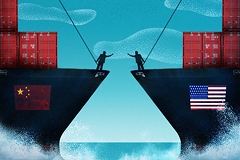
The Chinese Government is reportedly planning to impose temporary anti-subsidy measures on the import of N-Propanol from the US.
Reuters reported that the temporary anti-subsidy measures on N-Propanol will be imposed from 9 September.
N-Propanol is a chemical used in a wide range of applications such as coating, painting and cosmetics.
According to a statement published by the China Ministry of Commerce, a temporary anti-subsidy deposit will be imposed on OXEA Corp for 34.2% of the value of exports.
Meanwhile, a 37.7% anti-subsidy deposit will be imposed on other companies, including The Dow Chemical Company.
Last month, US and Chinese officials reportedly agreed to proceed with the first phase of the economic deal, which is said to have been impacted by growing tensions between the two countries.
In January, the two countries signed an accord, which is said to have partially put an end to the trade war.
Under the accord, China agreed to import $200bn worth of American products, including cars, machinery, oil and farm products.
The outbreak of the Covid-19 virus is said to have impacted the deal and delayed the purchases from the Chinese end.
The pandemic has also increased tensions between the two countries, with the US blaming China for the coronavirus pandemic and criticising China’s policies in Xinjiang and Hong Kong.
In addition, the US Secretary of State Mike Pompeo made a visit to Central Europe earlier this year, where he is said to have campaigned against Chinese company Huawei. This has reportedly further escalated tensions between the two nations.
Reuters reported that the temporary anti-subsidy measures on N-Propanol will be imposed from 9 September.
N-Propanol is a chemical used in a wide range of applications such as coating, painting and cosmetics.
According to a statement published by the China Ministry of Commerce, a temporary anti-subsidy deposit will be imposed on OXEA Corp for 34.2% of the value of exports.
Meanwhile, a 37.7% anti-subsidy deposit will be imposed on other companies, including The Dow Chemical Company.
Last month, US and Chinese officials reportedly agreed to proceed with the first phase of the economic deal, which is said to have been impacted by growing tensions between the two countries.
In January, the two countries signed an accord, which is said to have partially put an end to the trade war.
Under the accord, China agreed to import $200bn worth of American products, including cars, machinery, oil and farm products.
The outbreak of the Covid-19 virus is said to have impacted the deal and delayed the purchases from the Chinese end.
The pandemic has also increased tensions between the two countries, with the US blaming China for the coronavirus pandemic and criticising China’s policies in Xinjiang and Hong Kong.
In addition, the US Secretary of State Mike Pompeo made a visit to Central Europe earlier this year, where he is said to have campaigned against Chinese company Huawei. This has reportedly further escalated tensions between the two nations.
Source: Chemicals Technology
Các tin khác
- Anti-dumping measures on steel remained a common tool in 2025 – OECD (08/06/2026)
- Exporters urged to enhance traceability in response to proposed US tariffs (08/06/2026)
- Viet Nam’s early-season fresh lychees win over the US market (08/06/2026)
- New challenges for export businesses (08/06/2026)
- Tariff risks push Viet Nam to post record deficit (08/06/2026)