Home
Home
 About Us


India levies anti-dumping duty on bottle-grade PET from China
29/03/2021 12:00
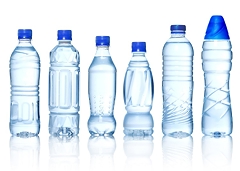
The finance ministry’s move aims to offset the damage to the domestic industry from cheaper imports
India has imposed anti-dumping duty on Chinese bottle-grade PET (polyethylene terephthalate) resin—used to make bottles and jars for mineral water, carbonated soft drinks and pharmaceutical products among other goods—to offset the damage to the domestic industry.
After a year-long investigation, the Directorate General of Trade Remedies (DGTR) in December 2020 recommended imposing anti-dumping duty on the PET resin imported from China, ranging from $60.92 to $200.66, depending on quality.
The recommendation was accepted and notified by the finance ministry on Saturday.
IVL Dhunseri Petrochem Industries Pvt. Ltd and Reliance Industries Ltd, the two largest producers of the product in India, accounting for 91% of domestic production, had filed an application before the DGTR, which prompted the anti-dumping investigation in October 2019.
The two companies in their submission to DGTR held that imports from China increased drastically during the period of investigation. “The subject imports are significantly undercutting the prices of the domestic industry. The market share of the domestic industry has fallen from 80% to 64% over the injury period. If dumping is not checked, the price of exports may fall further adversely affecting profitability of domestic industry," it added.
However, importers of the material submitted that there is no injury to domestic industry, which is still profitable and that inventories reflect a decline in the injury period. “The imports had no price effect on the domestic industry as the domestic prices increased by 26% over the injury period while the import prices increased by 33% and thus, analysis of price undercutting is meaningless," they said.
Indian Plastics Federation, a user of the imported raw material in its submission argued against levying anti-dumping duty, saying such a measure will hit domestic processors.
“Large discounts are offered to big companies. This is not available to small and medium units. This price disparity goes against small and medium industries. Hence, small and medium industries prefer to import raw materials from China since their pricing policy and terms and conditions of payment are easier," it added.
India has imposed anti-dumping duty on Chinese bottle-grade PET (polyethylene terephthalate) resin—used to make bottles and jars for mineral water, carbonated soft drinks and pharmaceutical products among other goods—to offset the damage to the domestic industry.
After a year-long investigation, the Directorate General of Trade Remedies (DGTR) in December 2020 recommended imposing anti-dumping duty on the PET resin imported from China, ranging from $60.92 to $200.66, depending on quality.
The recommendation was accepted and notified by the finance ministry on Saturday.
IVL Dhunseri Petrochem Industries Pvt. Ltd and Reliance Industries Ltd, the two largest producers of the product in India, accounting for 91% of domestic production, had filed an application before the DGTR, which prompted the anti-dumping investigation in October 2019.
The two companies in their submission to DGTR held that imports from China increased drastically during the period of investigation. “The subject imports are significantly undercutting the prices of the domestic industry. The market share of the domestic industry has fallen from 80% to 64% over the injury period. If dumping is not checked, the price of exports may fall further adversely affecting profitability of domestic industry," it added.
However, importers of the material submitted that there is no injury to domestic industry, which is still profitable and that inventories reflect a decline in the injury period. “The imports had no price effect on the domestic industry as the domestic prices increased by 26% over the injury period while the import prices increased by 33% and thus, analysis of price undercutting is meaningless," they said.
Indian Plastics Federation, a user of the imported raw material in its submission argued against levying anti-dumping duty, saying such a measure will hit domestic processors.
“Large discounts are offered to big companies. This is not available to small and medium units. This price disparity goes against small and medium industries. Hence, small and medium industries prefer to import raw materials from China since their pricing policy and terms and conditions of payment are easier," it added.
Source: Mint
Các tin khác
- Viet Nam extends anti-dumping duties on some Thai sugar products to 2031 (05/06/2026)
- Hong Kong: Ministry of Commerce Rules on Inheritance of Anti-dumping Duty Rates for Copolymer Polyoxymethylene Imports Originating from S Korea, Thailand and Malaysia (05/06/2026)
- Early-season Vietnamese lychees conquer US consumers (05/06/2026)
- Global rubber prices surge, raising hopes for Vietnamese exporters (05/06/2026)
- Modern logistics creates new growth opportunities for Lang Son’s border-gate economy (05/06/2026)